
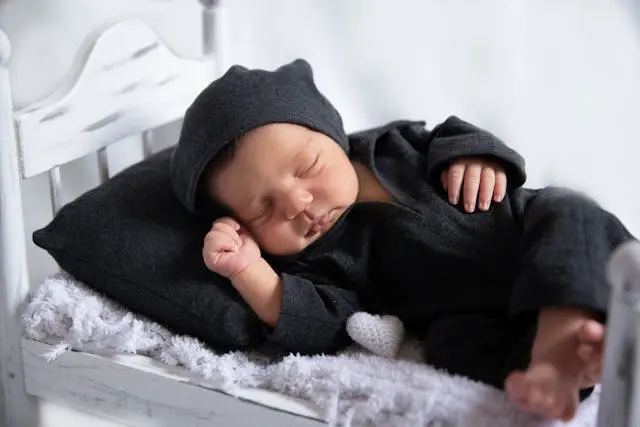
Winter can be a stressful season for new parents, especially when it comes to a newborn’s comfort and safety. Cold temperatures, indoor heating, and dry air often leave parents wondering whether their baby is warm enough—or too warm.
If you are searching for clear, practical guidance on how to keep newborn warm during winter, this updated guide is written for parents in the United States. It focuses on safety-first care, realistic routines, and expert-aligned practices that help you protect your baby without overthinking every detail.
Why Newborns Need Special Care in Winter
Newborn babies are not able to regulate their body temperature efficiently. Their bodies are small, they have thin skin, and they lack the insulating body fat that older children and adults have. Because of this, they lose heat more quickly, particularly in cold or dry winter conditions.
This vulnerability makes it important to keep newborn warm during winter in a balanced way. Too little warmth can make a baby uncomfortable, while too much warmth can increase the risk of overheating. The goal is steady, gentle warmth throughout the day and night.
Ideal Indoor Temperature for Newborns in Winter
Maintaining a comfortable room temperature is one of the easiest ways to support your baby’s warmth.
Recommended indoor temperature range:
- 68–72°F (20–22°C)
This range is widely considered safe and comfortable for newborns during winter. Use a room thermometer instead of guessing, as heaters can make some areas of a room warmer than others.
A baby who is comfortable should feel warm on the chest or upper back, not sweaty or hot.
How to Keep Newborn Warm During Winter Safely
Use the Smart Layering Rule
Layering is the safest and most effective way to protect your baby from cold weather. A simple guideline parents can follow is the one-extra-layer rule.
Dress your baby in one more layer than you are wearing. Start with breathable fabrics and add warmth gradually.
Recommended winter layers include:
- Soft cotton onesies as a base layer
- Footed pajamas for full coverage
- Light sweaters or fleece layers when needed
Avoid heavy winter jackets indoors, as they can trap too much heat and make it harder for your baby to regulate body temperature.
Check Your Baby’s Warmth Correctly
Many parents rely on their hands or feet to judge temperature, but this can be misleading. These areas often feel cool even when the baby is comfortable.
To accurately check warmth:
- Gently touch your baby’s chest or upper back
- Warm and dry skin means your baby is comfortable
- Sweaty or damp skin means your baby is too warm
This habit is essential when learning how to keep newborn warm during winter without over-layering.
Swaddling Your Newborn During Winter
Swaddling can help newborns feel secure and retain warmth, especially during sleep. However, winter swaddling must be done safely.
Safe swaddling tips:
- Choose breathable cotton or muslin fabric
- Avoid thick or weighted blankets
- Leave room for hip movement
- Stop swaddling when your baby begins to roll
Loose blankets should never be placed in the crib.
Safe Sleep Without Loose Blankets
Cold winter nights often tempt parents to add extra blankets, but loose bedding is unsafe for newborns and increases sleep-related risks.
These safe sleep recommendations align with guidance from the American Academy of Pediatrics, which advises keeping infants warm using appropriate clothing and sleepwear rather than loose blankets.
What to do:
- Use wearable blankets or sleep sacks designed for infants
- Dress your baby in long-sleeve pajamas underneath
Why it matters:
Loose blankets can cover a baby’s face or cause overheating during sleep.
⚠️ Pro Tip (Important Safety Update):
Avoid weighted sleep sacks or weighted swaddles. Updated pediatric sleep guidance warns that added weight can restrict a newborn’s breathing and heart rate.
Cover Areas That Lose Heat Quickly
Babies lose body heat fastest through certain areas, especially in winter.
What to do:
- Feet: use socks or soft booties
- Hands: mittens when outdoors
- Head: a soft cap when outside or while awake indoors
Why it matters:
Protecting these areas helps maintain comfort without adding unnecessary layers to the body.
⚠️ Never let your baby sleep with a hat on, as excess heat escapes through the head and may cause overheating.
Maintain a Comfortable Indoor Environment
Heating systems can dry out indoor air, which may irritate a newborn’s skin and nasal passages.
To create a comfortable winter environment:
- Keep room temperature consistent
- Use a cool-mist humidifier if the air feels dry
- Position cribs away from heaters and vents
Balanced warmth and humidity support your baby’s overall comfort.
Skin-to-Skin Contact During Cold Months
Skin-to-skin contact remains beneficial during winter. It helps regulate your baby’s body temperature naturally and strengthens bonding.
For safe skin-to-skin care:
- Place your baby on your bare chest
- Cover both of you with a light blanket
- Ensure the room is warm and draft-free
This method is especially helpful for very young newborns.
Dressing a Newborn for Winter Sleep
Nighttime is often when parents worry most about temperature. Dressing your baby based on room temperature—not outdoor weather—is key.
TOG Rating Guide for Sleep Sacks
Understanding TOG ratings helps parents choose the right sleep sack for winter.
General TOG guide:
- 0.5–1.0 TOG: For rooms 70–75°F (lightweight)
- 1.5–2.0 TOG: For rooms 68–70°F (moderate warmth)
- 2.5 TOG: For rooms 61–68°F (standard winter weight)
Always check your baby’s chest or neck for comfort and adjust layers if needed.
A safe winter sleep outfit may include:
- Long-sleeve cotton onesie
- Footed pajamas
- Sleep sack appropriate for the room temperature
If your baby wakes up sweaty or flushed, remove one layer the next night.
Taking Your Newborn Outside in Winter
Fresh air can be healthy for babies during winter when safety steps are followed.
What to do:
- Dress your baby in thin, warm layers
- Use a blanket over the stroller while keeping the face uncovered
- Limit outdoor time in extreme cold or strong wind
Why it matters:
Newborns lose heat quickly outdoors, and wind chill can make temperatures feel colder than expected.
Car Seat Safety in Winter (Very Important)
Avoid bulky winter coats in car seats.
Why:
In a crash, thick coats compress instantly, leaving the harness too loose to properly protect your baby.
Safer alternatives:
- Dress your baby in thin layers and buckle the harness snugly
- Place a blanket over the harness after buckling
- Use a car-seat-safe winter cover
- Try the “backwards coat” trick after securing the harness
Common Winter Mistakes Parents Make
Parents often worry about cold exposure, which can lead to overcompensation.
Avoid these common mistakes:
- Over-layering indoors
- Using heating pads or electric blankets
- Letting babies sleep in jackets or coats
- Covering a baby’s face with blankets
Remember, overheating poses a greater risk than a mild cold in most indoor settings.
Signs Your Newborn May Be Too Cold
Although uncommon indoors, signs of being too cold may include:
- A cool chest or back
- Pale or mottled skin
- Unusual fussiness or low energy
If warming measures do not help, seek guidance from a healthcare professional.
Signs Your Newborn May Be Too Warm
Overheating is a common winter concern for newborns.
Watch for these signs:
- Sweating around the neck or chest
- Damp hair
- Rapid breathing
- Flushed skin
The Nape Test (Most Reliable Check)
The back of your baby’s neck, also called the nape, is the best place to check for overheating.
If the nape feels hot or damp to the touch, remove one layer immediately and slightly cool the room.
Frequently Asked Questions
Can I use blankets to keep my newborn warm?
Blankets are safe only when your baby is awake and supervised. They should never be used during sleep.
Do newborns need hats indoors in winter?
Hats are usually unnecessary indoors unless the room is unusually cold.
Are space heaters safe around newborns?
Space heaters are not recommended near babies due to burn and overheating risks.
Final Thoughts
Learning how to keep newborn warm during winter does not need to be complicated or stressful. By choosing the right layers, following safe sleep practices, understanding TOG ratings, and paying attention to your baby’s comfort signals, you can protect your newborn with confidence.
If you found this guide helpful, consider bookmarking it or sharing it with another new parent preparing for their first winter with a baby. Small, informed choices make a big difference in keeping your newborn safe, warm, and comfortable.
Read also: Baby Sleeping Bag Guide UK: Top Tips for Choosing the Right One
