


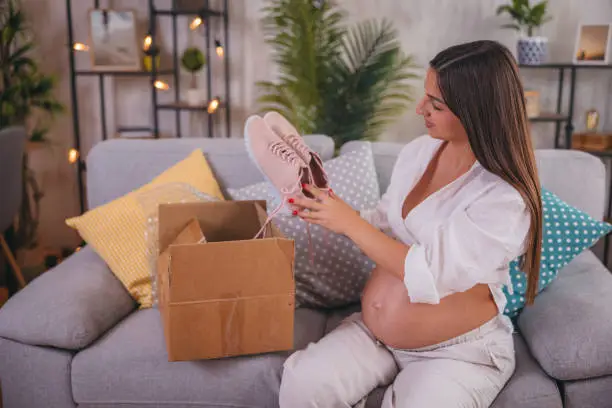
Why Footwear Matters During Pregnancy
Pregnancy is a beautiful journey, but it also brings many changes to the body. One of the first areas affected is the feet. Extra body weight, fluid retention, and hormonal changes can place more pressure on the arches and joints. Many women notice swelling, foot fatigue, or even a change in shoe size during pregnancy. Choosing the best pregnancy footwear helps reduce discomfort and keeps your body properly supported while walking or standing.
Hormones such as relaxin loosen the ligaments in the body to prepare for childbirth. According to Mercy Medical Center, these hormonal changes can cause the arches to flatten and increase pressure on the feet. Supportive shoes help maintain balance, reduce strain on the lower back, and protect joints from unnecessary stress.
Key Features of the Best Pregnancy Footwear
When shopping for pregnancy shoes, comfort and support should be the top priorities. The best pregnancy footwear is designed to adapt to swelling feet while providing stability and cushioning. Experts often recommend looking for shoes that combine flexibility with strong support.
- Arch and Heel Support: Proper arch support helps distribute body weight evenly and reduces pressure on the heel and lower back.
- Breathable Materials: Mesh or knit fabrics allow airflow and help prevent overheating or skin irritation.
- Shock-Absorbing Cushioning: Cushioned midsoles help reduce foot fatigue during long periods of standing or walking.
- Wide Toe Box: A roomy front area allows swollen feet to expand naturally without discomfort.
- Adjustable Fit: Velcro straps, stretch fabric, or elastic laces make it easier to adjust shoes as feet change.
- Slip-Resistant Soles: Durable rubber outsoles help prevent slipping, which is especially important during the later stages of pregnancy.
When these features work together, shoes can significantly reduce strain on the feet and help pregnant women stay active and comfortable throughout the day.
Recommended Footwear Types for Each Trimester
As pregnancy progresses, the feet need to change. Swelling and balance shifts become more noticeable, so footwear should adapt as the body changes.
First Trimester: During the early months, most women experience mild changes in their feet. Lightweight sneakers or cushioned walking shoes provide enough support for everyday activities. According to Parents.com, supportive sneakers with flexible uppers are among the most comfortable choices during early pregnancy.
Second Trimester: Swelling usually becomes more noticeable. Adjustable sandals, cushioned trainers, or supportive slip-ons help accommodate widening feet. Shoes with stretchy materials or adjustable straps are helpful during this stage.
Third Trimester: Balance and mobility change as the baby grows. Slip-on shoes or supportive walking shoes are ideal because they reduce the need to bend down. As reported by Healthline, comfortable shoes with strong arch support and breathable materials are essential for managing swelling and preventing foot fatigue during late pregnancy.
Across all trimesters, the best pregnancy footwear focuses on stability, comfort, and flexibility to adapt to the body’s changing needs.
Safety and Health Considerations
Proper footwear is not only about comfort. It also plays a role in preventing injuries during pregnancy. As the body’s center of gravity shifts, balance can become less stable. Shoes with a sturdy sole and good grip reduce the risk of slipping or falling.
Experts also recommend avoiding completely flat shoes. A small heel of around one inch can help maintain natural posture and reduce strain on the Achilles tendon. According to Orange Orthopaedic Care, supportive footwear can help relieve common pregnancy foot problems such as plantar fasciitis and heel pain.
If swelling becomes severe or uncomfortable, elevating the feet and staying hydrated may help reduce fluid buildup. Comfortable shoes combined with healthy habits can improve circulation and prevent long-term foot issues.
Common Mistakes to Avoid
Some types of footwear can worsen discomfort during pregnancy. Avoiding these common mistakes can make a big difference in daily comfort and foot health.
- High Heels: High heels increase pressure on the forefoot and can affect balance.
- Completely Flat Shoes: Ultra-flat footwear often lacks arch support and can worsen heel pain.
- Tight or Narrow Shoes: Narrow shoes restrict natural swelling and may cause blisters or irritation.
- Backless Slippers: Shoes without heel support may force toes to grip the shoe, leading to fatigue.
The best pregnancy footwear should feel stable, supportive, and easy to walk in. Shoes that combine cushioning and structure provide the most comfort throughout pregnancy.
Expert and Real-Mom Insights
Medical professionals and mothers often agree that supportive footwear makes a noticeable difference during pregnancy. Podiatrists commonly recommend cushioned walking shoes or supportive trainers to reduce pressure on joints and muscles.
According to Friendly Shoes, many pregnant women prefer slip-on shoes because they are easier to wear in the later months when bending becomes difficult. Adjustable shoes and orthotic-friendly designs are also popular because they allow additional arch support if needed.
Real-life experiences from mothers often highlight the same lesson: comfort should come before fashion. Many women report improved posture and less back pain after switching to properly supported shoes during pregnancy.
Foot Care Habits to Pair With Good Footwear
Supportive shoes work best when combined with healthy foot care habits. Small daily practices can reduce swelling and maintain comfort throughout pregnancy.
- Rotate Between Shoes: Wearing different pairs prevents pressure on the same areas of the feet.
- Measure Your Feet Regularly: Foot size can change during pregnancy, so checking measurements each trimester helps ensure a proper fit.
- Elevate Your Feet: Resting with feet raised helps reduce swelling after long periods of standing.
- Use Cushioned Insoles: Orthotic insoles can provide additional support for tired arches.
- Stretch Daily: Gentle calf and foot stretches help relieve tension and improve circulation.
Along with supportive footwear, maintaining healthy daily habits can keep feet comfortable throughout pregnancy.
Conclusion
Pregnancy brings many physical changes, and caring for your feet is an important part of staying comfortable and active. Supportive shoes help protect the arches, reduce swelling, and improve balance during everyday activities. Choosing the best pregnancy footwear ensures that each step remains stable and comfortable throughout every trimester.
Comfortable shoes combined with healthy habits can make pregnancy easier to manage. If you are exploring more pregnancy tips, you may also find helpful guidance in Can You Eat Cherries While Pregnant? and practical advice in Parenting Advice for New Mums. These resources provide helpful information for mothers preparing for pregnancy and early parenthood.
Disclaimer
This article is for informational purposes only and should not replace professional medical advice. The Kids Magazines editorial team may update or correct information when new medical guidance becomes available. Always consult a qualified healthcare professional for personalized pregnancy care.