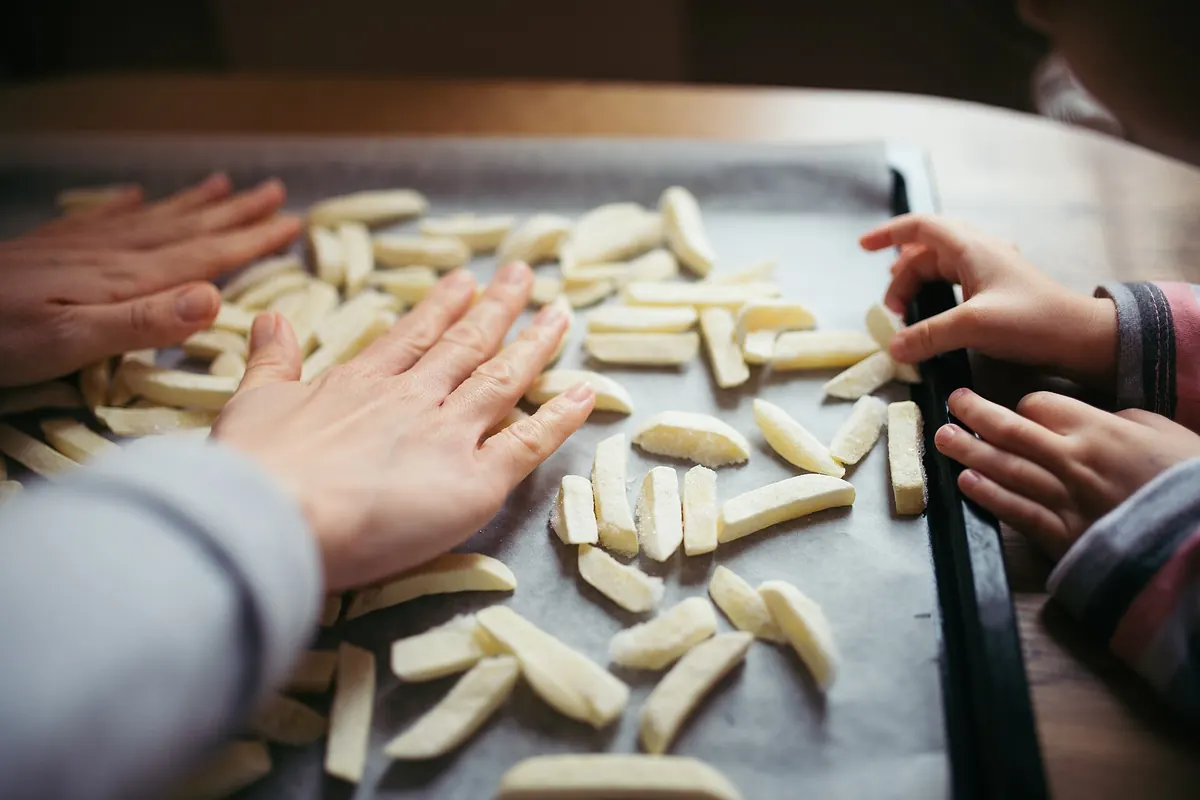
The best easy recipes for kids have a few things in common: short ingredient lists, little or no hot cooking, and jobs that small hands can actually do. This guide has 16 tried-and-trusted family recipes using ingredients from any UK supermarket. Seven are no-bake, eleven never go near the oven, and every one says which jobs your child can do at their age.
You’ll find breakfasts, lunchbox fillers, quick teas and a couple of treats. There is also a week’s meal plan, a guide to what freezes, and a chart showing how the sweet recipes compare with the NHS sugar limits for children.
The short answer
- Easiest with no cooking: overnight oats, wrap pinwheels, fruit skewers, frozen yoghurt bark.
- Fastest family teas: pitta pizzas (20 min), quesadillas (15 min), egg-fried rice (15 min).
- Best for batch cooking: hidden-veg pasta sauce and cheesy veg muffins, which both freeze for up to 3 months.
- Best first bake: chocolate cornflake cakes. Only the melting needs an adult.
- Recipe finder
- Kitchen jobs by age
- No-bake recipes
- Quick meals
- Easy bakes
- Sugar and salt
- Week plan
- Freezer guide
- Safety
- FAQs
Recipe finder: all 16 easy kids’ recipes at a glance
Use this table to pick a recipe by time, equipment or your child’s age. Tap a name to jump to it. “Kids help from” is the youngest age at which a child can do a real share of the work with an adult beside them.
| Recipe | Hands-on | Ready in | Heat | Kids help from | Best for |
|---|---|---|---|---|---|
| 1. Overnight oats | 5 min | Ready next morning | No heat | 3+ | Breakfast |
| 2. Rainbow wrap pinwheels | 10 min | 20 min | No heat | 4+ | Lunchbox |
| 3. Rainbow fruit skewers with yoghurt dip | 15 min | 15 min | No heat | 3+ | Snack / treat |
| 4. Frozen yoghurt bark | 10 min | 3 hours in the freezer | No heat | 3+ | Snack / treat |
| 5. No-bake oat energy bites | 15 min | 45 min | No heat | 4+ | Snack / treat |
| 6. Chocolate cornflake cakes | 10 min | 1 hr 10 min | Microwave | 3+ | Snack / treat |
| 7. Quick hummus with veg dippers | 10 min | 10 min | Blender | 3+ | Snack / treat |
| 8. Pitta bread pizzas | 10 min | 20 min | Oven | 3+ | Lunch / tea |
| 9. Cheese and bean quesadillas | 10 min | 15 min | Hob | 6+ | Lunch / tea |
| 10. Hidden-veg tomato pasta | 15 min | 35 min | Hob | 7+ | Lunch / tea |
| 11. Egg-fried rice with peas | 10 min | 15 min | Hob | 8+ | Lunch / tea |
| 12. Homemade fish fingers | 20 min | 35 min | Oven | 4+ | Lunch / tea |
| 13. Homemade oven chips | 10 min | 45 min | Oven | 6+ | Lunch / tea |
| 14. Cheesy veg muffins | 15 min | 40 min | Oven | 5+ | Lunchbox |
| 15. Banana Scotch pancakes | 15 min | 20 min | Hob | 7+ | Breakfast |
| 16. Classic flapjacks | 10 min | 1 hr | Oven | 5+ | Bake / lunchbox |
Why cooking with kids is worth the mess
Letting children cook is slower and messier, but it does change what they eat. Children who have washed, stirred or built something are much more likely to taste it.
more salad was eaten by children aged 6–10 who cooked a meal with a parent than by children whose parent cooked alone (van der Horst et al., Appetite, 2014).
of UK 11–18-year-olds eat their 5 A Day, averaging 2.8 portions (National Diet and Nutrition Survey 2019–2023). Habits formed in the kitchen when children are younger can help close that gap.
There is more to it than vegetables. Weighing flour is maths, following a method is reading, and watching chocolate melt is science. If your child enjoys this kind of hands-on learning, our brain development activities for kids and educational activities to do at home carry the same idea beyond the kitchen.
Kitchen jobs by age: what can my child do?
Every child is different, so treat this as a starting point rather than a rulebook. Confidence matters more than age. A careful six-year-old who has cooked every weekend may be ready for jobs that a first-timer of nine is not.
7 no-bake recipes for kids (no oven needed)
These are the best place to start. Six need no heat at all, and the seventh, cornflake cakes, only needs an adult to use the microwave. They are also good for rainy afternoons, play dates and party food.
Overnight oats
The breakfast you make the night before. Children can do almost all of it, and there is nothing hot to worry about.
You need
- 80g porridge oats
- 200ml milk (any kind)
- 4 tbsp natural or Greek yoghurt
- 1 small apple, grated, or a handful of berries
- A pinch of cinnamon (optional)
Method
- Tip the oats, milk and yoghurt into a bowl or two jars and stir well.
- Stir in the grated apple or berries and the cinnamon.
- Cover and chill for at least 4 hours, or overnight.
- Loosen with a splash of milk in the morning and add extra fruit on top.
Kids’ jobs: Measuring, pouring, stirring, choosing toppings. Over-sevens can grate the apple with a hand over the grater.
Make it your own: Mash in half a ripe banana instead of adding honey, so the sweetness comes from the fruit.
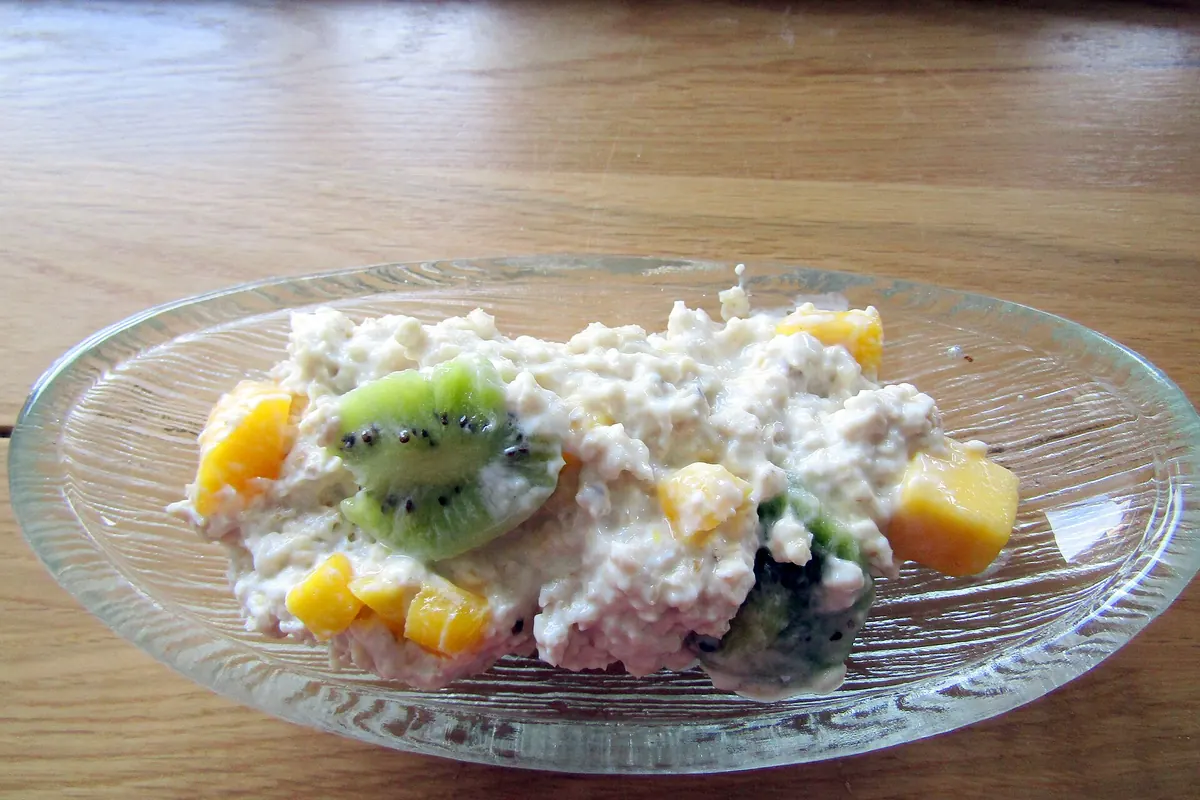
Rainbow wrap pinwheels
A lunchbox that doesn’t look like a sandwich. The colourful spirals win over a lot of children who push salad away.
You need
- 2 large tortilla wraps (wholemeal if you like)
- 3 tbsp soft cheese or hummus
- 1 carrot, grated
- A handful of baby spinach
- 2–3 slices of ham, turkey or cheese
Method
- Spread the soft cheese right to the edges of each wrap: that is the glue.
- Scatter carrot and spinach over, then lay the ham or cheese on top.
- Roll up tightly, wrap in cling film or foil and chill for 10 minutes.
- Slice into 2cm rounds (adult job with a sharp knife).
Kids’ jobs: Spreading, scattering, rolling. A four-year-old can do every step except the slicing.
Make it your own: Swap the ham for mashed tuna and sweetcorn, or use beetroot hummus for a pink swirl.
Rainbow fruit skewers with yoghurt dip
Threading fruit is great for small fingers, and children tend to eat what they have built themselves.
You need
- Strawberries, melon, grapes, banana, blueberries, satsuma segments: whatever you have
- 150g Greek yoghurt
- 1 tsp honey or a few drops of vanilla
- Wooden skewers, or paper straws for little ones
Method
- Wash the fruit and cut it into bite-sized chunks. Halve or quarter grapes lengthways for under-fives.
- Thread the fruit on in rainbow order: red, orange, yellow, green, blue.
- Stir the honey or vanilla into the yoghurt for dipping.
- Snip the sharp tips off wooden skewers before handing them to younger children.
Kids’ jobs: Sorting fruit by colour, threading, stirring the dip. Older children can cut soft fruit with a table knife.
Make it your own: Freeze the finished skewers for an hour for a summer-holiday ice lolly.
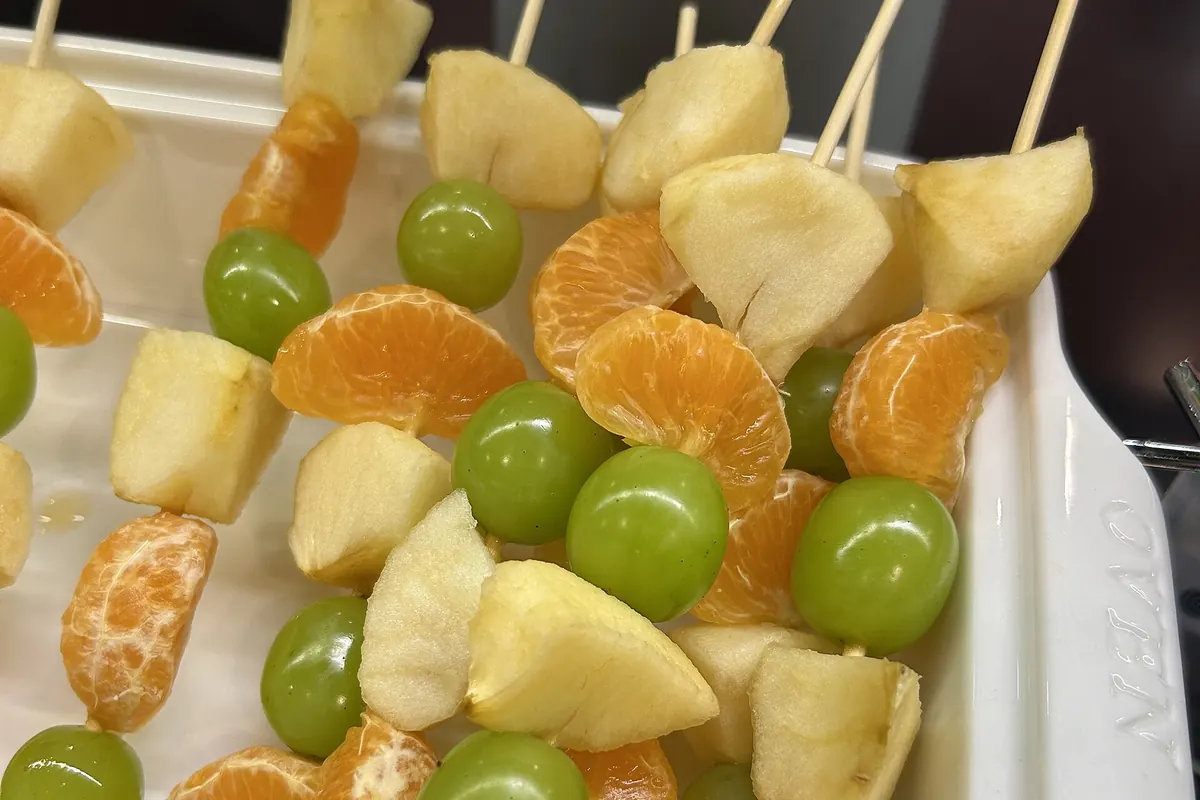
Frozen yoghurt bark
It looks like a shop-bought treat but it is mostly yoghurt and fruit. Children love smashing it into pieces.
You need
- 500g thick Greek yoghurt
- 1–2 tbsp honey or maple syrup
- 150g berries (fresh or frozen)
- A sprinkle of desiccated coconut or seeds (optional)
Method
- Line a baking tray (about 20 x 30cm) with baking paper.
- Stir the honey into the yoghurt and spread it about 1cm thick.
- Scatter the fruit over and press it in gently.
- Freeze for at least 3 hours, then snap into shards. Serve straight from the freezer.
Kids’ jobs: Stirring, spreading, decorating and (best of all) breaking it up.
Make it your own: Swirl a spoonful of smooth peanut butter through it, if nobody at home has a nut allergy.
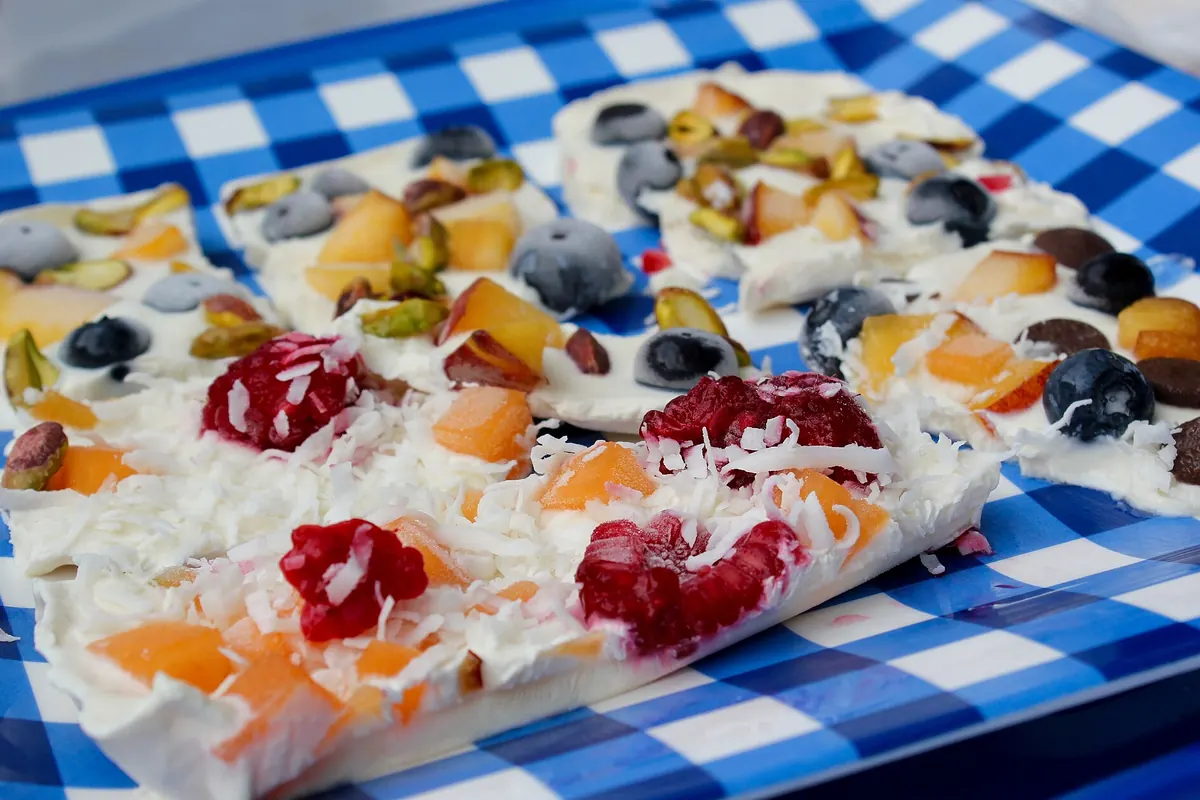
No-bake oat energy bites
Rolling balls is like play dough you can eat. They keep for days and make an after-school snack.
You need
- 100g porridge oats
- 4 tbsp smooth peanut butter (or sunflower seed butter for nut-free schools)
- 2 tbsp honey
- 30g raisins, chopped
- 1 tbsp ground flaxseed (optional)
Method
- Mix everything together in a bowl until it clumps.
- If it’s crumbly add a teaspoon of water; if it’s sticky add a few more oats.
- Roll into walnut-sized balls with damp hands.
- Chill for 30 minutes. Keep in the fridge for up to 5 days.
Kids’ jobs: Measuring, mixing with hands, rolling. A good job for a group of children.
Make it your own: Roll the finished balls in desiccated coconut, or swap the raisins for chopped dried apricots.
Chocolate cornflake cakes
A British party classic and often the first thing a child ‘bakes’. Only the melting needs an adult.
You need
- 100g milk or dark chocolate
- 2 tbsp golden syrup
- 25g butter
- 60g cornflakes
- 12 paper cake cases
Method
- Melt the chocolate, syrup and butter in the microwave in 20–30 second bursts, stirring between each (adult job).
- Leave for a minute, then stir in the cornflakes until coated.
- Spoon into the paper cases.
- Chill for about an hour until set.
Kids’ jobs: Counting out cases, crushing the cornflakes lightly, stirring and spooning.
Make it your own: Use Rice Krispies for crispy cakes, or add a mini egg on top at Easter.
Quick hummus with veg dippers
Shop hummus is easy, but homemade costs less and you control the salt. Dipping makes raw veg more fun.
You need
- 400g tin chickpeas, drained (keep 3 tbsp of the liquid)
- 1 tbsp tahini
- Juice of ½ lemon
- 1 small garlic clove (optional)
- 2 tbsp olive oil
- Cucumber, pepper and carrot sticks, breadsticks
Method
- Put the chickpeas, tahini, lemon, garlic and oil in a blender or food processor.
- Blitz, adding the saved chickpea liquid a spoonful at a time until smooth (adult on the blender).
- Taste: it rarely needs salt.
- Serve with the veg sticks.
Kids’ jobs: Tipping ingredients in, squeezing the lemon, washing and arranging the veg.
Make it your own: For under-threes, offer soft cucumber strips and lightly steamed carrot sticks instead of raw carrot.
Quick and easy meals for kids
Family teas that are on the table in 15 to 45 minutes. An adult handles the hob and oven, but every recipe has real jobs for children before and after the hot part.
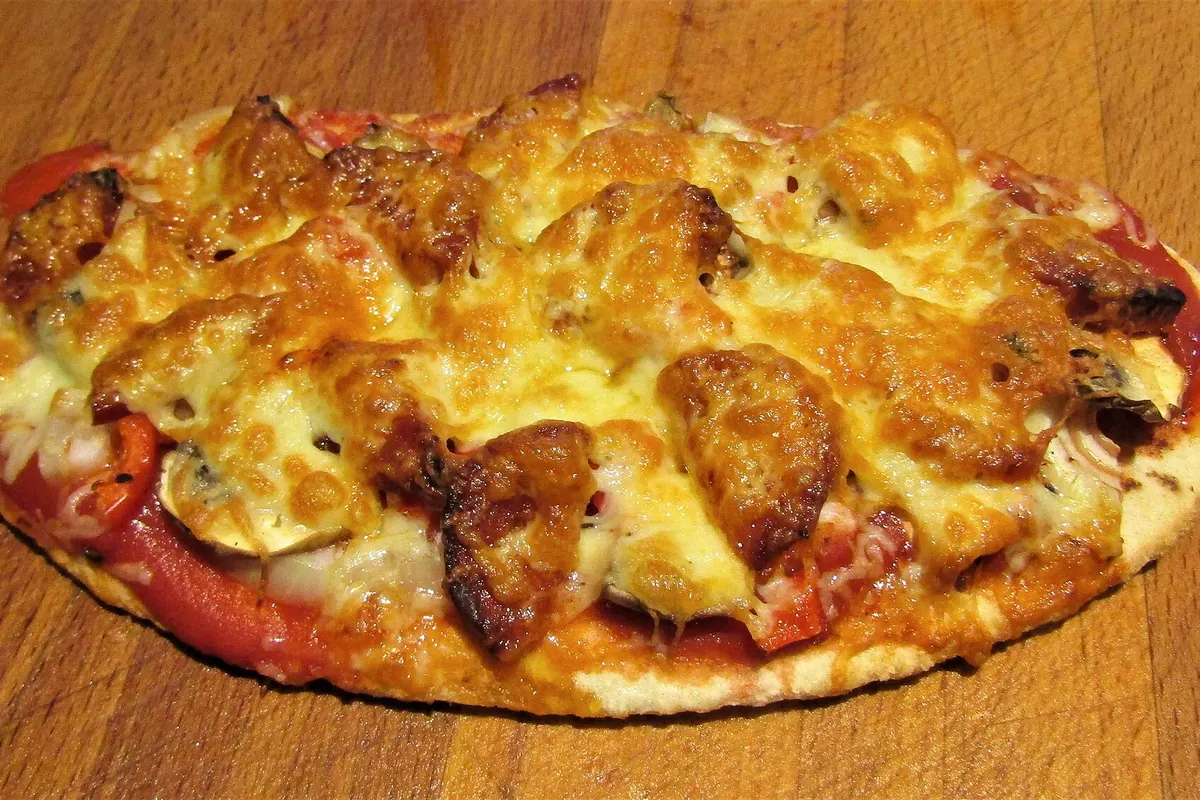
Pitta bread pizzas
Ten minutes in the oven and every child decorates their own, so there are no arguments about toppings.
You need
- 4 pitta breads (wholemeal works well)
- 4 tbsp passata or tomato purée
- 100g grated mozzarella or cheddar
- Toppings: sweetcorn, peppers, mushrooms, ham, cherry tomatoes
Method
- Heat the oven to 200°C (180°C fan, gas 6).
- Spread the passata over the pittas and sprinkle with cheese.
- Add toppings: faces and patterns are allowed.
- Bake on a tray for 8–10 minutes until the cheese bubbles. Cool for a couple of minutes.
Kids’ jobs: Spreading sauce, sprinkling cheese, arranging toppings. The oven stays an adult job.
Make it your own: Use a halved English muffin or a mini naan as the base.
Cheese and bean quesadillas
A cheap, filling tea from store-cupboard staples, with beans for fibre and protein.
You need
- 2 tortilla wraps
- 4 tbsp kidney beans, mashed (or refried beans)
- 50g grated cheddar
- 2 tbsp sweetcorn
- A pinch of mild paprika (optional)
Method
- Spread the beans over half of each wrap; scatter over cheese and sweetcorn.
- Fold the wraps in half.
- Cook in a dry frying pan over a medium heat for 2–3 minutes a side until golden.
- Rest for 2 minutes (the cheese is very hot), then cut into triangles.
Kids’ jobs: Mashing the beans, spreading and folding. Over-eights can flip with a fish slice while an adult watches.
Make it your own: Add leftover shredded chicken, or serve with a spoon of yoghurt and some chopped tomato.
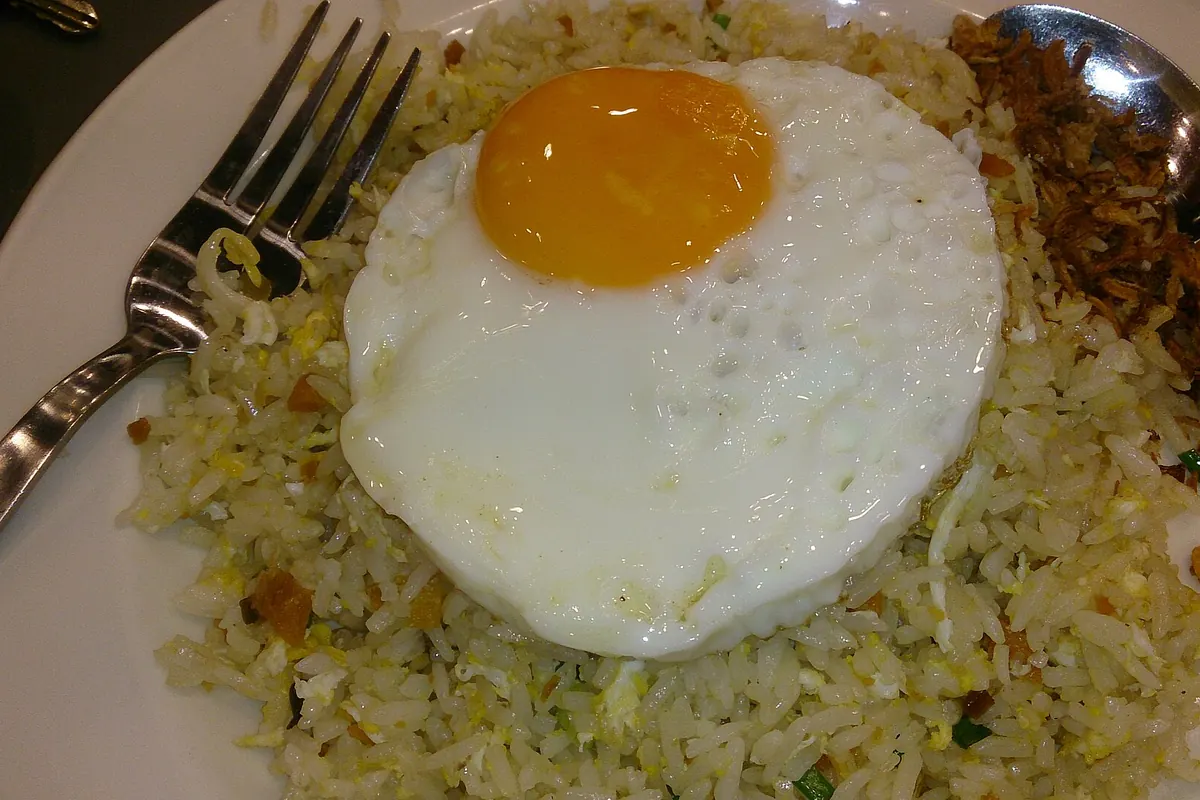
Egg-fried rice with peas
A good way to use leftover rice safely, with frozen veg so there’s no chopping.
You need
- 250g cooked rice, cooled and chilled (or a pouch of microwave rice)
- 1 tbsp vegetable oil
- 150g frozen peas and sweetcorn
- 2 eggs, beaten
- 2 spring onions, sliced
- 1 tsp reduced-salt soy sauce
Method
- Heat the oil in a wok or large pan and stir-fry the frozen veg for 3 minutes.
- Add the rice and stir-fry until it is piping hot all the way through.
- Push to one side, pour in the eggs and scramble, then mix through.
- Finish with the spring onions and soy sauce.
Kids’ jobs: Cracking and beating eggs, measuring peas, snipping spring onions with scissors.
Make it your own: Add cooked chicken or prawns, or a little chopped pineapple for a sweet-and-sour feel.
Homemade fish fingers
The ‘dipping station’ is one of the best cooking jobs for young children, and you know exactly what’s in the coating.
You need
- 400g skinless white fish fillets (cod, haddock or pollock)
- 2 tbsp plain flour
- 1 egg, beaten
- 60g dried breadcrumbs or panko
- A little oil spray
Method
- Heat the oven to 200°C (180°C fan, gas 6) and line a tray with baking paper.
- Cut the fish into fingers. Set out three bowls: flour, egg, breadcrumbs.
- Dip each finger in flour, then egg, then crumbs, and lay them on the tray. Spray lightly with oil.
- Bake for 12–15 minutes until golden and the fish flakes easily and looks white all the way through.
Kids’ jobs: The flour–egg–crumb production line. Wash hands well after touching raw fish and egg.
Make it your own: Use the same coating on strips of chicken breast, baked for 18–20 minutes until no pink remains.
Homemade oven chips
Proper chips with a tablespoon of oil and no deep fryer. They go with the fish fingers.
You need
- 4 medium potatoes (about 800g), skin on
- 1 tbsp vegetable or olive oil
- ½ tsp smoked paprika (optional)
Method
- Heat the oven to 220°C (200°C fan, gas 7).
- Cut the potatoes into chips, rinse, and pat very dry with a tea towel.
- Toss with oil (and paprika) and spread out in a single layer.
- Bake for 30–35 minutes, turning halfway, until golden (not dark brown).
Kids’ jobs: Scrubbing potatoes, drying, tossing in oil, spreading them out on the tray.
Make it your own: Try sweet potato wedges. They cook a little faster, so check them at 25 minutes.
Easy bakes for kids
Two simple bakes and a weekend breakfast. Baking is where children practise weighing and measuring, so let them do the scales.
Cheesy veg muffins
A savoury lunchbox bake with two vegetables grated in. They freeze well, so one batch lasts a couple of weeks.
You need
- 250g self-raising flour
- 1 tsp baking powder
- 100g grated cheddar
- 1 courgette and 1 carrot, grated
- 75g sweetcorn
- 2 eggs
- 150ml milk
- 4 tbsp vegetable oil
Method
- Heat the oven to 200°C (180°C fan, gas 6) and line a 12-hole muffin tin.
- Mix the flour, baking powder, cheese and veg in a big bowl.
- Whisk the eggs, milk and oil, then stir into the dry mix until just combined.
- Spoon into the cases and bake for 20–22 minutes until risen and golden.
Kids’ jobs: Weighing, grating (older children), whisking, spooning into cases.
Make it your own: Swap the sweetcorn for chopped ham, spinach or peas.
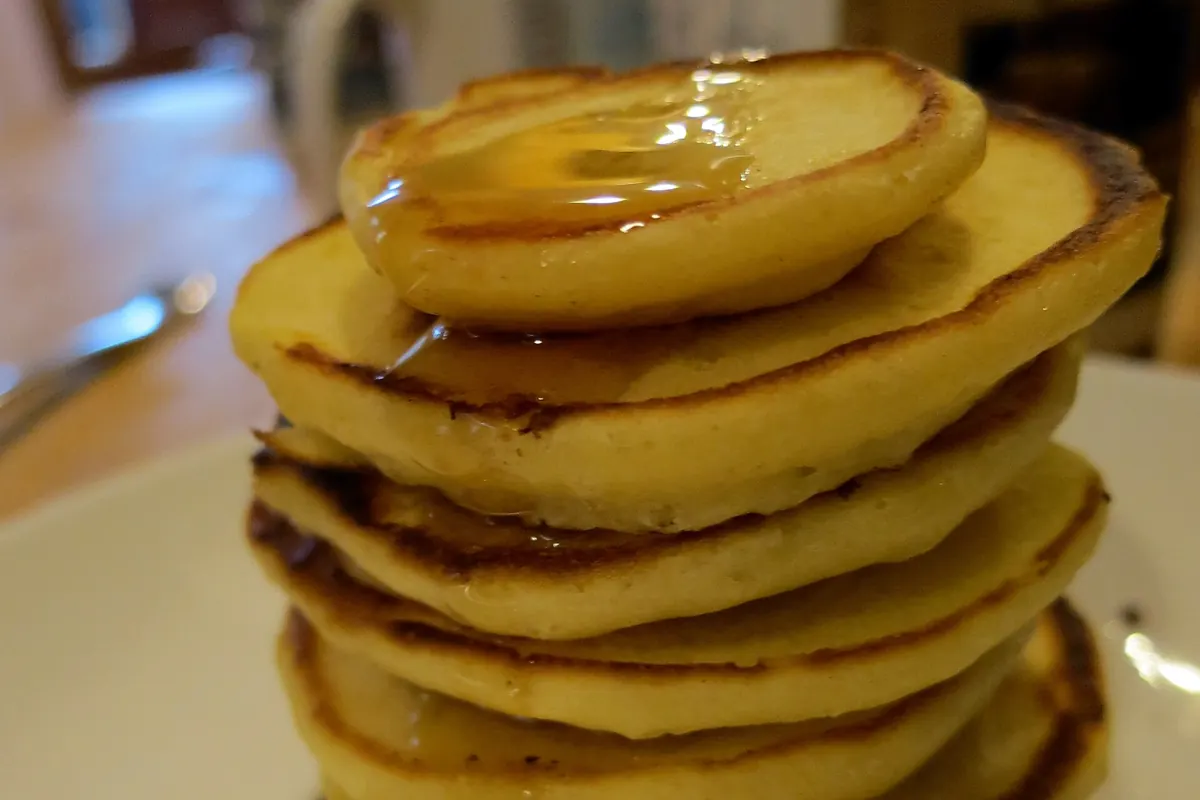
Banana Scotch pancakes
A weekend breakfast with no added sugar in the batter. A ripe banana does the sweetening.
You need
- 1 ripe banana
- 1 egg
- 100g self-raising flour
- 125ml milk
- A little oil or butter for the pan
Method
- Mash the banana in a bowl, then whisk in the egg.
- Add the flour and milk and whisk to a thick batter.
- Heat a lightly oiled non-stick pan over a medium heat and add tablespoons of batter.
- Flip when bubbles appear on top (about 1–2 minutes) and cook for another minute.
Kids’ jobs: Mashing, whisking, spooning batter. Over-sevens can flip with supervision.
Make it your own: Stir in a handful of blueberries, or top with yoghurt instead of syrup.
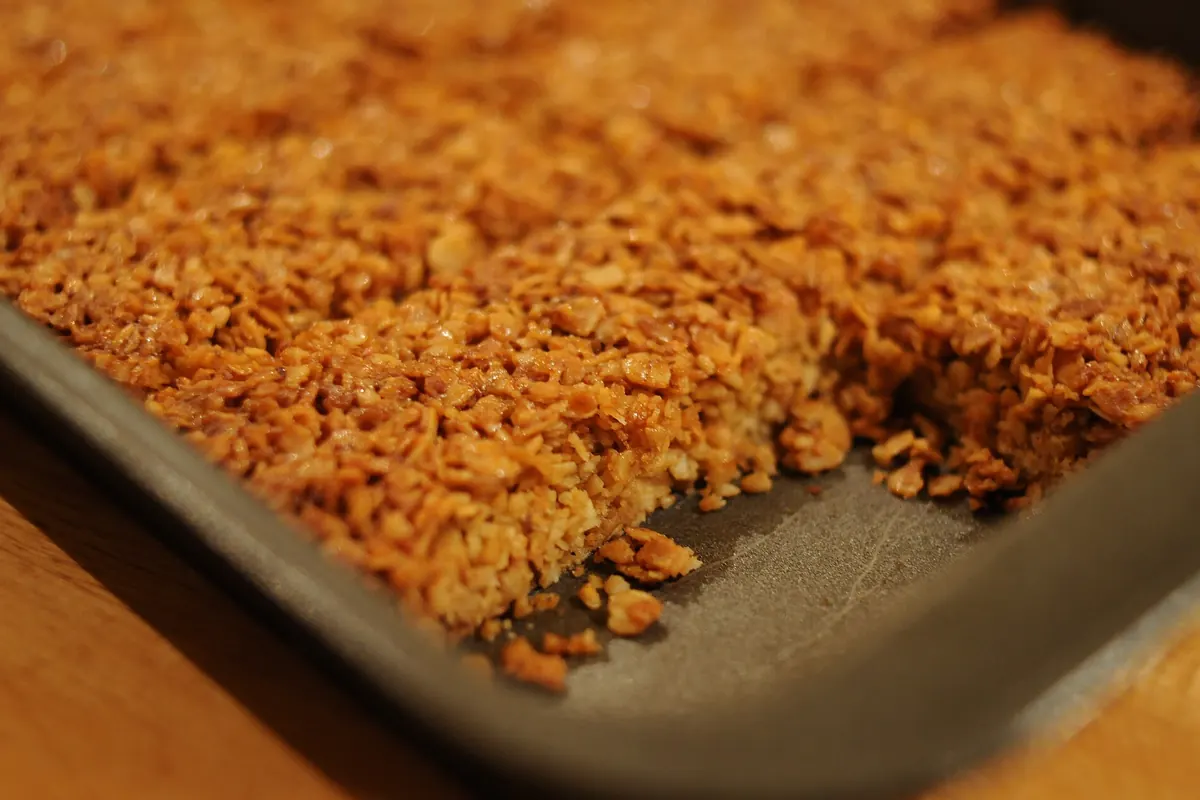
Classic flapjacks
A traditional British bake with four ingredients, one pan and no eggs.
You need
- 250g porridge oats
- 125g butter
- 125g light brown soft sugar
- 3 tbsp golden syrup
Method
- Heat the oven to 180°C (160°C fan, gas 4) and line a 20cm square tin.
- Melt the butter, sugar and syrup in a pan over a low heat (adult job).
- Stir in the oats and press firmly into the tin with the back of a spoon.
- Bake for 20–25 minutes. Score into squares while warm and cut once cold.
Kids’ jobs: Weighing oats, stirring the oats in (off the heat), pressing the mixture into the tin.
Make it your own: Add a grated apple or a handful of raisins, or drizzle with a little melted chocolate.
What makes a balanced plate? The Eatwell Guide in one picture
The NHS Eatwell Guide applies to children from age two. It shows the balance to aim for across a day or a week, not on every plate. This is how the recipes in this guide fit into it:
- 40%Fruit and vegetables. In this guide: Skewers, pinwheels, hidden-veg pasta, hummus dippers, veg muffins.
- 38%Potatoes, bread, rice, pasta and other starchy foods. In this guide: Oats, pitta pizzas, oven chips, fried rice, wraps.
- 12%Beans, pulses, fish, eggs, meat and other proteins. In this guide: Fish fingers, quesadilla beans, hummus, egg-fried rice.
- 8%Dairy and alternatives. In this guide: Yoghurt bark, overnight oats, cheese on the pizzas.
- 1%Oils and spreads. In this guide: A spoonful of oil for the chips and stir-fry.
Proportions from the UK government’s Eatwell Guide (they add up to 99% because of rounding). Foods high in fat, salt and sugar sit outside the guide and are for occasional, small amounts.
Sugar and salt: how much is too much for children?
Most of these recipes have no added sugar. Three are treats, and it helps to know how they compare with the daily limits. The NHS sets maximums for free sugars: added sugar plus the sugar in honey, syrups and fruit juice. Sugar that is naturally in whole fruit and milk doesn’t count.
| Age | Free sugars, max per day | Salt, max per day |
|---|---|---|
| 1–3 years | No set figure. Avoid sugary foods and drinks. | 2g |
| 4–6 years | 19g (about 5 sugar cubes) | 3g |
| 7–10 years | 24g (about 6 sugar cubes) | 5g |
| 11 years and over | 30g (about 7 sugar cubes) | 6g |
Here is roughly how much free sugar one piece of each sweet recipe contains, worked out from the ingredient quantities above and typical UK product labels:
Estimates for the recipes exactly as written. Flapjack: 125g sugar plus 3 tbsp golden syrup across 16 squares. Cornflake cakes: milk chocolate, 2 tbsp syrup and cornflakes across 12. Yoghurt bark assumes 2 tbsp honey. Exact figures depend on the brands you use.
What this means in practice: one flapjack is more than half of a four-to-six-year-old’s daily sugar allowance, so keep flapjacks and cornflake cakes for occasional treats. The yoghurt bark and energy bites are much lower. For salt, the biggest sources in these recipes are cheese, ham and soy sauce. Use reduced-salt soy sauce, don’t add salt to the cooking water for little ones, and taste before you season.
A week of easy kids’ meals
Want to put it all together? This plan uses the recipes above, cooks once on Monday for two meals, and leaves the slower, more involved cooking for the weekend when there is time to let children help.
Add fruit, yoghurt or a glass of milk to each day. Swap days around freely. The only fixed rule is to make the pasta sauce early in the week so the second portion is ready to freeze.
Freezer guide: what to make ahead
Batch cooking is what makes easy recipes realistic on a busy weeknight. Label everything with the date, and let food cool before it goes in the freezer.
| Recipe | Freezes? | How long | How to use |
|---|---|---|---|
| Hidden-veg pasta sauce | Yes | Up to 3 months | Defrost in the fridge overnight; reheat until piping hot |
| Cheesy veg muffins | Yes | Up to 3 months | Take one out the night before and keep it in the fridge; it’s ready by lunchtime |
| Flapjacks | Yes | Up to 3 months | Wrap squares individually; defrost at room temperature |
| Energy bites | Yes | Up to 3 months | Eat straight from the freezer or thaw in the fridge |
| Banana pancakes | Yes | Up to 1 month | Layer with baking paper; reheat in a toaster or pan |
| Fish fingers (uncooked) | Yes, if the fish wasn’t frozen before | Up to 3 months | Bake from frozen for a few extra minutes until piping hot |
| Yoghurt bark | Lives in the freezer | Best within 1 month | Serve straight from frozen; it softens fast |
| Pinwheels, fruit skewers, fried rice | No | – | Best made fresh. Use cooked rice within 24 hours. |
Kitchen safety for kids: the essentials
More from Kids Magazines
- Cooking for a baby as well? Use our baby food chart by age for the under-ones.
- Planning a party? Most of the no-bake recipes above fit straight into our Christmas party ideas for kids.
- Kitchen play that isn’t for eating: our salt dough recipe is a rainy-day favourite.
Easy recipes for kids: your questions answered
What is the easiest recipe for a child to make on their own?
Overnight oats, wrap pinwheels and fruit skewers need no heat and no sharp knives, so a child of five or six can make them with very little help. Cornflake cakes are almost as easy, but an adult should melt the chocolate.
At what age can children start cooking?
Children as young as two or three can wash vegetables, stir cold mixtures and sprinkle toppings. Most four- and five-year-olds can spread, mash and roll. Using the hob and oven is best left until around nine to eleven, always with close supervision.
What can I cook for a fussy eater?
Recipes where children choose or build their own food work best: pitta pizzas, pinwheels, fruit skewers and quesadillas. In one study, children aged six to ten who helped cook ate 76% more salad than children whose parent cooked alone. Blended sauces such as hidden-veg pasta are another gentle way in.
What are some easy no-bake recipes for kids?
Overnight oats, rainbow wrap pinwheels, fruit skewers with yoghurt dip, frozen yoghurt bark, oat energy bites, chocolate cornflake cakes and quick hummus with veg sticks. None of them uses the oven.
What is a quick, healthy dinner for kids?
Pitta bread pizzas (20 minutes), cheese and bean quesadillas (15 minutes) and egg-fried rice with frozen peas (15 minutes if the rice is already cooked) are all quick. Hidden-veg tomato pasta takes 35 minutes and freezes well.
Is it safe to reheat rice for children?
Yes, if it was handled properly. The Food Standards Agency advises cooling cooked rice within an hour, keeping it covered in the fridge, and using it within 24 hours. Reheat it until it is piping hot all the way through.
Can children use a knife in the kitchen?
Four- and five-year-olds can use a blunt table knife to spread and cut soft foods such as banana. From around eight, many children can learn the bridge and claw grips with a small sharp knife while an adult watches closely.
Sources: NHS: The Eatwell Guide; NHS Better Health / Healthier Families: sugar and salt limits for children; GOV.UK: The Eatwell Guide, how to use in promotional material (segment proportions); GOV.UK: National Diet and Nutrition Survey 2019 to 2023 report; Food Standards Agency: Safer Food Better Business guidance on cooling and storing rice, and advice on raw flour; van der Horst K, Ferrage A, Rytz A (2014), “Involving children in meal preparation. Effects on food intake”, Appetite 79: 18–24. Sugar estimates use typical UK supermarket nutrition labels.