
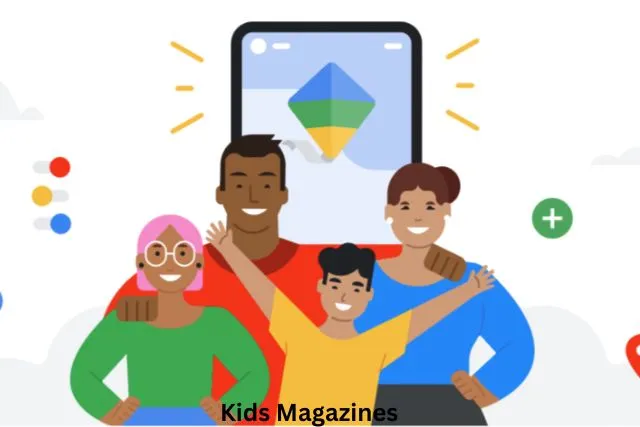
In today’s digital age, ensuring your family’s online safety is more important than ever. With the increasing use of the internet among children and teenagers, parents need effective tools to monitor and manage their online activities. Google Family Manager, primarily facilitated through the Family Link app, offers a comprehensive solution to help parents oversee their children’s digital interactions and promote a safer online environment.
Understanding Google Family Manager
Google Family Manager is the administrative “hub” that lets you coordinate digital life for up to six people (you plus five members). While it is often discussed alongside the Family Link app, it is important to understand the two distinct roles within a family group:
-
The Family Manager: This is the person who creates the group. Only the Manager can add or remove members, delete the group, and set up the shared family payment method.
-
The Parent Role: The Manager can designate another adult as a “Parent.” Parents can manage most Family Link safety settings, such as screen time and app approvals, but they cannot remove adult members or delete the group.
-
The Plan Manager: Interestingly, the person who pays for the family’s storage (Google One) doesn’t have to be the Family Manager. Any adult in the group can share their subscription benefits with the rest of the family.
A Note on Privacy
A common misconception is that a Family Manager can read everyone’s emails or see their private photos. In reality, Google maintains strict privacy barriers. Even if you share a Google One storage plan, you can only see how much space a family member is using—you cannot see their actual files, photos, or browsing history unless it is a supervised child account.
Setting Up Google Family Manager
To begin using Google Family Manager, follow these steps:
- Download the Family Link App: Install the Google Family Link app on your device. It’s available for both Android and iOS platforms.
- Create a Family Group: Open the app and follow the prompts to create a family group. As the family manager, you’ll have control over the group’s settings.
- Add Family Members: Invite up to five family members to join your family group. For children under 13 (or the applicable age in your country), you’ll need to create a Google Account for them, which will be managed through Family Link.
- Set Up Child Accounts: For each child, set up their account with appropriate settings, including parental controls and supervision levels.
- Manage Settings: Use the Family Link app to manage your child’s app usage, set screen time limits, and monitor their online activity.
By following these steps, you can establish a structured and secure online environment for your family.
Key Features of Google Family Manager
Google Family Manager offers several features designed to help parents protect their family’s online safety:
- Screen Time Management: Set daily screen time limits and device bedtimes to ensure your child maintains a healthy balance between online and offline activities.
- App Management: Approve or block app downloads from the Google Play Store and manage in-app purchases to prevent unauthorised spending.
- Content Filtering: Use SafeSearch to filter explicit content on Google Search and manage website access on Chrome to block inappropriate sites.
- Location Tracking: Keep track of your child’s device location to ensure their safety when they’re on the go.
- Activity Monitoring: View reports on your child’s app usage and screen time to stay informed about their online habits.
These features provide parents with the tools needed to guide their children’s online experiences effectively.
Read also: Age vs. Grade: If You’re 16, What Grade Are You In?
Benefits of Using Google Family Manager
Utilising Google Family Manager offers several advantages:
- Enhanced Online Safety: By managing content and app access, you can protect your child from inappropriate material and potential online threats.
- Parental Control: Maintain oversight of your child’s online activities, helping to instil responsible digital habits.
- Peace of Mind: With location tracking and activity reports, you can stay informed about your child’s whereabouts and online behaviour.
- Customizable Settings: Tailor the controls to fit your family’s needs, adjusting restrictions as your child grows and their online activities change.
By leveraging these benefits, parents can create a safer and more structured online environment for their children.
Limitations and Considerations
While Google Family Manager provides robust tools for online safety, it is not a “magic wand.” Parents should be aware of several technical and structural constraints:
1. The 12-Month Switch Rule
One of the most significant restrictions is that Google only allows you to change family groups once every 12 months.
-
The Risk: If you leave a family group to join a new one, you are “locked in” for a full year. You cannot jump back to your old group or join a third one until that 365-day timer resets.
-
Who it affects: This primarily applies to accounts with paid subscriptions like YouTube Premium or Google One.
2. Device Compatibility (Android vs. iOS)
The “power” of Family Link depends entirely on the device your child uses.
-
Full Control (Android & Chromebook): You can set screen time limits, lock the device, and block specific apps.
-
Limited Control (iPhone & iPad): If your child uses an iOS device, Family Link cannot lock the device or set screen time limits for non-Google apps. You can only manage their activity within Google apps (like YouTube and Search). For full iPhone control, you would need to use Apple’s native “Screen Time” feature instead.
3. The “Age 13” Transition
In most countries, when a child turns 13, Google sends them an email giving them the option to manage their own account.
-
The Shift: Once they choose to “take charge,” parental supervision is automatically turned off. You will no longer be able to see their location or lock their phone unless they voluntarily choose to re-enable supervision.
4. Child “Workarounds”
Technology is rarely foolproof. Tech-savvy children often find ways to bypass restrictions, such as:
-
Alternative Browsers: If Chrome is restricted, they may try to use a pre-installed secondary browser (like a Samsung browser) where filters might not apply.
-
Sideloading: On Android, some users attempt to download apps from outside the Play Store to avoid approval prompts.
Pro Tip: Because of these limitations, technology should supplement—not replace—open conversations. Periodically review installed apps together to ensure your settings are still active and working as intended.
Read also: Time for Kids: Fun and Educational Ways to Teach Children About Time
Recent Updates and Developments (2025–2026)
As of early 2026, Google has integrated artificial intelligence and financial tools more deeply into the Family Link ecosystem to keep up with how modern families use technology.
1. School Time & “Break” Features
The School Time feature has been fully redesigned. Parents can now schedule a “School Time” block that silences all notifications and hides distracting apps (like games and social media) during class hours.
-
The “Break” Feature: New for 2026, parents can schedule a specific “Break” window within School Time (e.g., during lunch) where the phone automatically unlocks for a set period before re-locking for afternoon classes.
2. Google Wallet for Kids (Tap-to-Pay)
Starting in mid-2025 and expanding globally in 2026, children with NFC-enabled Android phones can use Google Wallet for in-store purchases.
-
Parental Oversight: Every transaction triggers a real-time notification to the parent’s phone.
-
Security: Kids can only use “Tap-to-Pay” in physical stores; online and in-app purchases remain restricted unless explicitly approved by the Family Manager.
3. Gemini AI Safety Filters
With the rise of generative AI, Google now allows parents to manage how their children interact with Gemini.
-
Guided Learning: Parents can toggle Gemini on or off. When on, it includes strict safety filters designed to prevent “hallucinations” or inappropriate content, focusing instead on helping kids with homework or creative projects.
-
Monitoring: Parents can see if Gemini is being used, though, for privacy reasons, they cannot read the specific chat transcripts of older teens.
4. Contact Management (Android 14+)
A major update allows parents to manage their child’s Contact List directly from the Family Link app. You can now choose to limit your child’s phone calls and text messages to “Approved Contacts Only,” effectively preventing “stranger danger” from unknown numbers.
Conclusion
Google Family Manager, through the Family Link app, offers a comprehensive suite of tools to help parents protect their family’s online safety. By setting up a family group, managing screen time, filtering content, and monitoring activities, parents can guide their children toward responsible digital behaviour. Staying informed about recent updates and maintaining open communication with your children about online safety are key components of effective digital parenting.
Related Post: Google for Kids: A Safe and Fun Guide to Learning Online
