
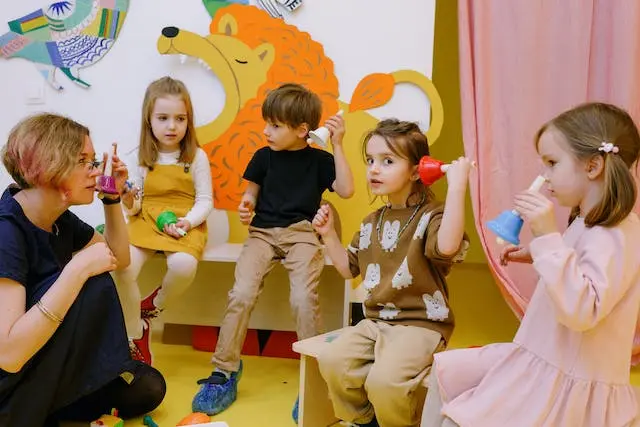
Quick Answer: Children in the UK typically start school at age 4 (Reception class), but compulsory school age begins at 5. Parents may have flexibility depending on their child’s readiness and local authority policies.
Many parents ask, what age do kids start school, especially when preparing for their child’s first big milestone. Understanding the UK education system can feel overwhelming, but once you break it down, it becomes much clearer.
This guide is based on official UK education policies and trusted parenting resources to help you make informed decisions.
For a broader understanding, you can also explore
what age do children start school.
What Age Do Kids Start School in the UK?
In the UK, most children begin their formal education in Reception class at age 4. This usually happens in September following their fourth birthday, marking the start of primary school. However, it is important to understand that while many children start at 4, the law only requires children to be in full-time education once they reach 5 years old.
This flexibility allows parents to decide what’s best for their child based on emotional and developmental readiness. For example, many parents of summer-born children choose delayed entry to support confidence and development. According to official guidance from
UK Government school admissions, parents can discuss delayed entry options with local authorities.
Reception Class Explained (Age 4–5)
Reception is the first year of school and part of the Early Years Foundation Stage (EYFS). It focuses on play-based learning, helping children develop essential skills in communication, social interaction, and early academics. Rather than formal exams, learning happens through activities, storytelling, and guided play.
The EYFS framework, outlined by the
UK EYFS statutory framework, ensures children build a strong foundation in seven key areas of learning and development. This stage plays a vital role in preparing children for more structured learning in later years.
What Children Learn in Reception
During Reception, children begin developing early literacy and numeracy skills while also improving their confidence and social abilities. Activities are designed to encourage curiosity, creativity, and independence. This stage is crucial because it prepares children for structured learning in Year 1 while keeping the experience enjoyable and engaging.
Compulsory School Age in the UK
Compulsory school age begins the term after a child turns 5. This rule ensures that every child receives formal education, regardless of when they start Reception. The exact timing depends on their birth date, which determines whether they must start school in the autumn, spring, or summer term.
Children must remain in education until at least age 16, after which they can choose further education, apprenticeships, or vocational training. This structured pathway ensures long-term academic and personal development.
How Birth Dates Affect School Start
Children born between September and December usually start compulsory education in January, while those born later may start in April or September. This staggered system helps ensure that children enter school at an appropriate developmental stage, reducing pressure on younger learners within the same year group.
Can You Delay Your Child’s School Start?
Parents often wonder if they can delay school entry if their child isn’t ready. In many cases, you can request a delayed start, either later in the same academic year or, in special cases, the following year. However, approval is not automatic and depends on school policies and local authority decisions.
It’s always best to discuss your child’s situation with the school directly and review official guidelines before making a decision. Taking expert advice can help you make the right choice for your child.
When Delaying Might Be a Good Idea
Delaying school may benefit children who need more time to develop emotionally, socially, or physically. For example, summer-born children are often younger than their classmates, which can affect confidence and learning pace. A delayed start can sometimes provide a more balanced and comfortable transition into formal education.
Is Your Child Ready for School?
School readiness is not just about age—it’s about development. While some children thrive in structured environments early, others need more time. Parents should focus on key developmental signs rather than strictly following age guidelines.
Understanding readiness helps ensure a smoother transition and a positive school experience. Preparing children early through simple routines can also make a big difference.
Simple School Readiness Checklist
A school-ready child can usually communicate basic needs, follow simple instructions, and interact with peers. They should also have some independence in tasks like dressing or eating. While perfection isn’t expected, these basic skills help children adapt more easily to the school environment.
School Starting Age by UK Region
While the general starting age in the UK is similar, there are slight differences across regions. Understanding these differences can help parents make informed decisions, especially if they are relocating or comparing school systems.
- England: Age 4–5 (Reception)
- Scotland: Age 4–5 (Primary 1)
- Wales: Age 4–5
- Northern Ireland: Age 4
Why Regional Differences Matter
Each UK region follows slightly different education policies and cut-off dates. These differences can affect school admission timing and progression, so it’s always best to check local authority rules before applying.
UK vs Other Countries: School Starting Age
School starting age varies globally. In the UK, children start earlier compared to many countries. For example, in the United States, children typically begin school at age 5 or 6, while in India, most children start at around age 6.
To better understand global education systems, you can
understand global school systems in our guide on what grade are you in
or explore
how old are kids in each grade.
Why School Age Differs by Country
Different countries have unique education systems shaped by culture, policies, and child development philosophies. Some prioritize early learning, while others focus on later academic readiness. These differences influence how children experience their early education years.
Understanding the Full School Journey
Starting school is just the beginning of a long educational journey. After Reception, children move to Year 1 and continue through primary and secondary education. Each stage builds on the previous one, helping children grow academically and socially.
If you want to understand later stages, check
how old are seniors in high school.
How Education Progresses Over Time
As children grow, the curriculum becomes more structured and subject-focused. By secondary school, students prepare for exams and future career paths. Understanding this journey helps parents support their child at every stage.
Conclusion
So, what age do kids start school in the UK? Most children begin at age 4 in Reception, while compulsory school starts at age 5. The right decision depends on your child’s readiness, confidence, and development.
By understanding your options and planning ahead, you can ensure a smooth and successful start to your child’s education journey.
FAQs
What age do kids start school in the UK?
Most children start at age 4 in Reception, but compulsory school begins at age 5.
Can I delay my child’s school start?
Yes, but approval depends on your local authority and school policies.
Is nursery compulsory in the UK?
No, nursery is optional. Formal education becomes compulsory at age 5.
Do all UK regions follow the same rules?
There are slight differences between England, Scotland, Wales, and Northern Ireland.
Can a 4-year-old skip Reception in the UK?
In rare cases, parents can request this, but most schools recommend Reception for proper development.
What happens if my child doesn’t start school at 5?
Parents must ensure full-time education by law, either through school or approved alternatives like homeschooling.
Disclaimer: This article is for informational purposes only and does not replace professional educational advice. Always consult your local authority or school for guidance specific to your child.
