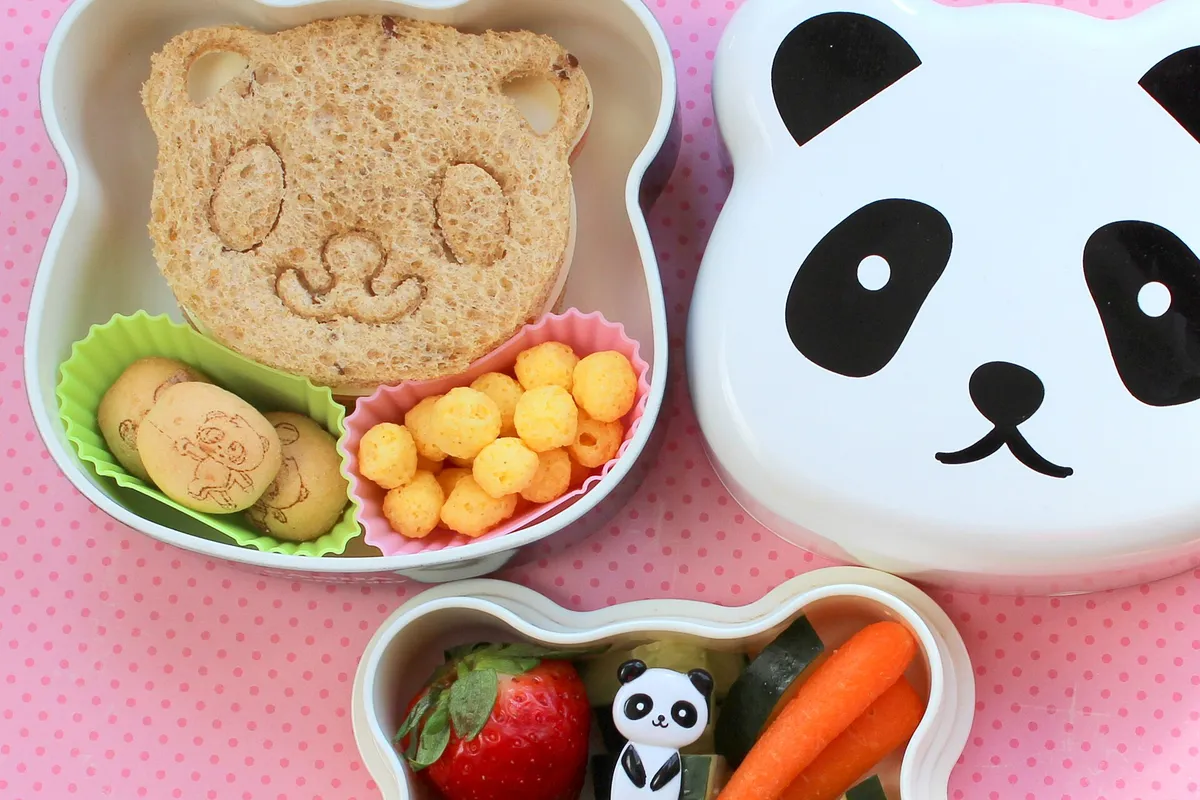
The best healthy lunchbox snacks for UK primary school children are simple: fruit, vegetable sticks with a dip, cheese, plain yoghurt and wholegrain crackers or rice cakes. Aim for at least one portion of fruit and one of vegetables in every lunchbox, keep sugary snacks occasional, and check your school’s packed lunch policy (many are nut-free).
It matters more than you might think. A University of Leeds study found that only 1.6% of primary school packed lunches in England met the nutritional standards that apply to school dinners, and only around one in five contained any vegetables or salad. Below are 21 snack ideas, smart swaps for common sugary snacks, how to read a label in ten seconds and a week of snack pairs to copy.
The short answer
- Every lunchbox: one fruit + one vegetable + a dairy or protein snack, plus water.
- Sugar limits (NHS): 19g a day for ages 4–6, 24g for ages 7–10.
- Label check: over 22.5g sugars per 100g is high (red); 5g or less is low (green).
- Packed lunches: only 1.6% met school-meal standards in a Leeds study.
Last checked 26 November 2026. General guidance. Follow your school’s packed lunch and allergy policy.
21 healthy lunchbox snack ideas
Pick one or two from different groups. Mixing a fruit or vegetable with something more filling, like cheese or crackers, keeps children going through the afternoon.
Fruit
| Snack | Tip |
|---|---|
| Apple or pear slices | Squeeze of lemon stops browning |
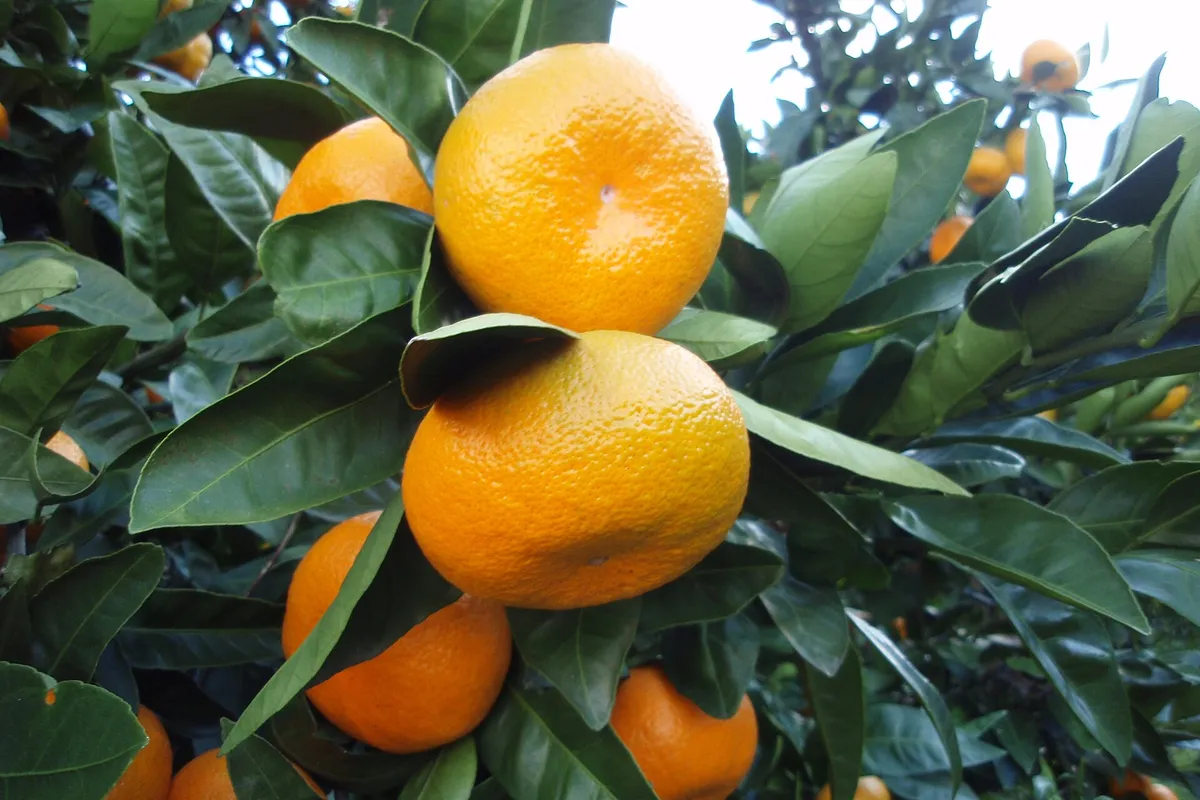
| Satsuma or clementine | Easy to peel, no prep |
| Grapes | Cut lengthways for younger children |
| Berries in a small pot | Strawberries, blueberries, raspberries |
| Banana | Pack it last so it doesn’t bruise |
| Melon or pineapple chunks | In a sealed pot with a fork |
Vegetables
| Snack | Tip |
|---|---|
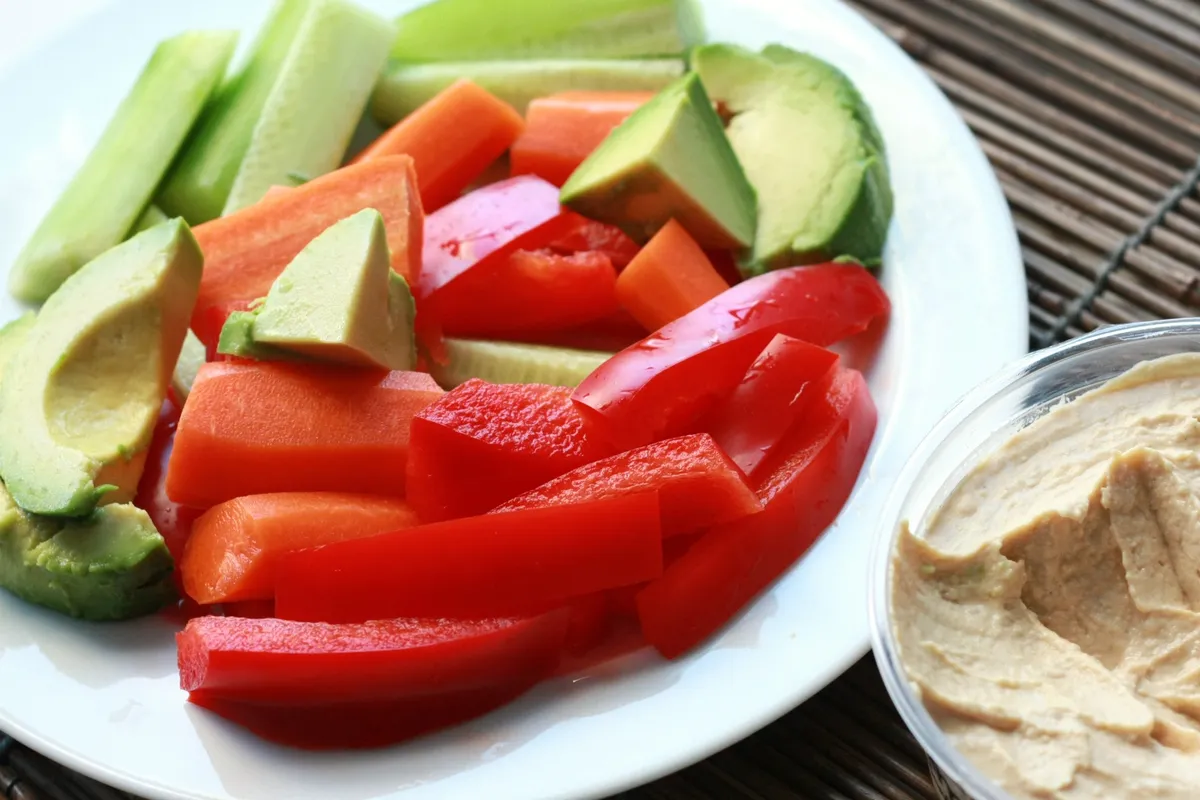
| Carrot, cucumber or pepper sticks | With a small pot of hummus or tzatziki |
| Cherry tomatoes | Halved or quartered for under-5s |
| Sugar snap peas | Sweet and crunchy |
| Sweetcorn | In a pot with a spoon |
| Edamame beans (shelled) | Defrost frozen ones overnight |
Dairy and protein
| Snack | Tip |
|---|---|
| Cheese cubes or a mini cheese | A good source of calcium |
| Plain or Greek yoghurt | Add your own fruit instead of buying sweetened |
| Boiled egg | Check your school is happy with the smell! |
| Roasted chickpeas | Homemade; season lightly |
| Small pot of cottage cheese | With cucumber or crackers |
Starchy snacks
| Snack | Tip |
|---|---|
| Plain rice cakes or oatcakes | Low in sugar |
| Wholemeal crackers or breadsticks | Good with cheese |
| Plain popcorn | Homemade or low-salt; not for under-5s |
| Mini wholemeal pitta | With hummus |
| Malt loaf slice | Lower in fat than cake; still sweet, so occasional |
Smart swaps for sugary lunchbox snacks
You don’t have to ban treats. Swapping most days and keeping the old favourite for Friday works for most families.
| Instead of… | Try… | Why |
|---|---|---|
| Chocolate biscuit bar | Plain rice cake with a thin spread of cream cheese | Far less sugar, still crunchy |
| Fruit-flavoured yoghurt | Plain yoghurt with chopped strawberries | You control the sugar |
| Crisps | Plain popcorn (over-5s) or wholemeal breadsticks | Lower in salt and fat |
| Cereal bar | Small handful of oat-based homemade flapjack bites, made with less sugar | Shop bars are often high in sugar |
| Fruit juice carton | Water, with a slice of orange in the bottle | Juice counts as free sugar |
| Sweets | A few dried apricots or raisins, with a meal only | Dried fruit is sticky on teeth, so not as a snack between meals |
How to read a snack label in 10 seconds
Most UK packs have front-of-pack traffic-light labels. Look at the colours per 100g. Mostly green and amber is a good everyday choice; red means keep it occasional.
| Per 100g | Low (green) | High (red) |
|---|---|---|
| Sugars | 5g or less | More than 22.5g |
| Fat | 3g or less | More than 17.5g |
| Saturated fat | 1.5g or less | More than 5g |
| Salt | 0.3g or less | More than 1.5g |
UK front-of-pack nutrition labelling criteria for foods (Department of Health and Social Care and the Food Standards Agency).
A child aged 7 to 10 should have no more than 24g of free sugars a day, according to the NHS. A single sweetened snack bar can use up a large share of that, which is why swapping makes such a difference.
A week of healthy lunchbox snacks
Two snacks a day, one fruit or vegetable and one more filling. Copy it, or let your child choose from the list above.
| Day | Snack 1 | Snack 2 |
|---|---|---|
| Monday | Satsuma | Cheese cubes and 2 oatcakes |
| Tuesday | Carrot and cucumber sticks with hummus | Plain yoghurt with blueberries |
| Wednesday | Apple slices | Wholemeal breadsticks |
| Thursday | Sugar snap peas | Mini cheese and halved cherry tomatoes |
| Friday | Grapes (cut lengthways for little ones) | Homemade flapjack bite (treat day) |
Lunchbox snacks by age
Portion sizes and practical needs change a lot between Reception and Year 6. A rough guide:
- Small portions: a handful is plenty
- Pre-cut and easy to open: practise opening pots at home
- Halve or quarter round foods
- Daily free sugars max 19g (NHS)
- Two snacks plus a main is typical
- They can peel a satsuma and open most pots
- Let them choose between two healthy options
- Daily free sugars max 24g from age 7 (NHS)
- Bigger appetites, especially on PE days
- Add a filling snack: crackers and cheese, a boiled egg
- Involve them in packing their own lunch
- From 11, the NHS limit rises to 30g a day
Prep-ahead tips for busy mornings
Short of ideas for the main part of the lunchbox? Our easy recipes for kids include pasta salads and wraps that travel well, and our baby food chart helps if you’re packing for a younger sibling at nursery too.
Packed lunch rules at school
In England, the School Food Standards apply to food provided by schools, including school dinners, not packed lunches from home. But many schools set their own packed lunch policy. Common rules include:
- No nuts or nut products, to protect children with allergies.
- No fizzy drinks, sweets or chocolate bars.
- Water or milk only to drink.
- Sometimes, a “treat Friday” allowance.
Children in Reception, Year 1 and Year 2 at state schools in England can get free school meals under universal infant free school meals, which can save packing a lunch at all. Ask your school office about eligibility for older children.
More food ideas from Kids Magazines
- Meals children enjoy making: easy recipes for kids.
- For younger children: our baby food chart.
- Party snacks that aren’t all sugar: Christmas party ideas.
- Get them cooking: personalised gifts, including a child’s apron with their name.
Healthy lunchbox snacks: your questions answered
What are healthy snacks for a primary school lunchbox?
Good choices include fruit (apple slices, satsumas, berries, grapes cut lengthways), vegetable sticks with hummus, cheese cubes, plain yoghurt, plain rice cakes or oatcakes, wholemeal crackers and plain popcorn for older children. Aim for at least one portion of fruit and one of vegetables in every packed lunch.
How many snacks should I put in a packed lunch?
Usually one or two small snacks alongside a main item such as a sandwich, wrap or pasta. Public Health England’s Change4Life campaign suggested looking for 100-calorie snacks, two a day max, as a simple rule for children’s snacks across the whole day.
How much sugar should a primary school child have?
The NHS says children aged 4 to 6 should have no more than 19g of free sugars a day (about 5 sugar cubes) and children aged 7 to 10 no more than 24g (about 6 cubes). Free sugars include sugar added to food and drinks, plus honey, syrups and fruit juice, but not the sugar naturally in whole fruit or milk.
Are cereal bars healthy for lunchboxes?
Often not as healthy as they look. Many cereal and “fruit” bars are high in sugar. Check the label: under UK front-of-pack labelling, more than 22.5g of total sugars per 100g is high (red), and 5g or less per 100g is low (green).
Do packed lunches have to follow school food rules?
The School Food Standards in England apply to food provided by schools, not packed lunches from home. But many schools have their own packed lunch policies, for example no nuts, sweets or fizzy drinks, so check your school’s policy.
How do I keep a packed lunch safe and cold?
The Food Standards Agency recommends using an insulated lunch bag with an ice pack for foods that need to stay cool, such as yoghurt, cheese, meat and egg. Freezing a water bottle overnight also works as an ice pack and is defrosted by lunchtime.
What drinks should go in a packed lunch?
Water or plain milk are best. Fruit juice and smoothies count as free sugars, so the NHS advises limiting them to a combined total of 150ml a day, and with a meal. Avoid fizzy and sugary drinks.
Sources: Evans C. E. L. et al. (2020), “A repeated cross-sectional survey assessing changes in diet and nutrient quality of English primary school children’s packed lunches between 2006 and 2016”, BMJ Open 10:e029688, and University of Leeds press release; NHS, “How much sugar is good for me?” and Healthier Families; Department of Health and Social Care, front-of-pack nutrition labelling guidance; Department for Education, School Food Standards; Food Standards Agency, packed lunch food safety; NHS, “Food safety for babies and young children”. Featured photo: Melissa (anotherlunch.com), Wikimedia Commons, CC BY 2.0.