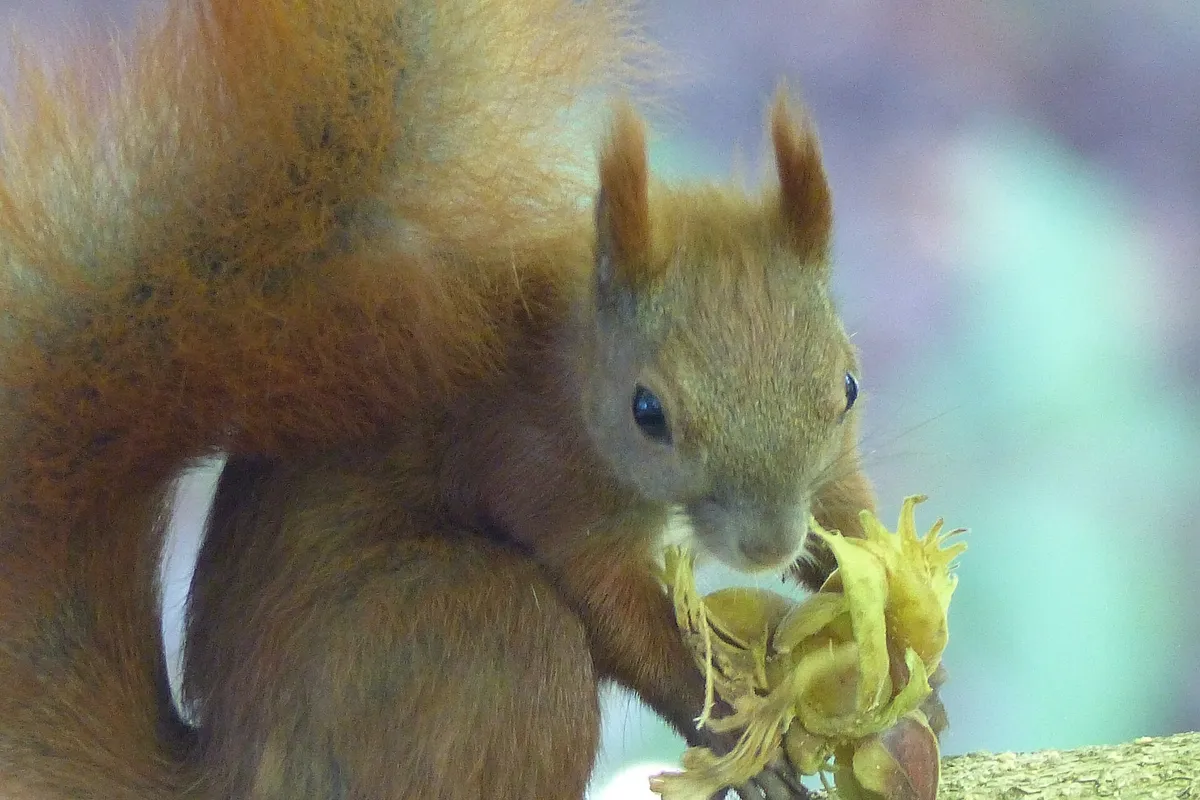
These short woodland animal stories for toddlers each take about one minute to read aloud. There are six, all original: a squirrel who counts nuts, an owl who says twit-twoo, a badger who goes to bed when you get up, a fawn playing peekaboo, a robin learning colours and a mole who pops up out of the ground.
Every story has a repeated line to join in with and an action to do, because toddlers learn best when they can move and predict what’s coming. Below the stories you’ll find simple facts about each animal, tips for reading with wriggly toddlers and books to try next.
The short answer
- 6 one-minute stories for ages 1–3, each with a repeated line and an action.
- Early learning: counting, animal sounds, day and night, peekaboo, colours and up and down.
- Toddler tip: let them move; stop while it’s still fun; read favourites again.
- All real UK animals, with a simple fact for grown-ups about each.
Last checked 26 November 2026. Stories © Kids Magazines, free to read at home and in nursery.
Story finder: woodland stories for toddlers
| Story | What it teaches | Action | Best for |
|---|---|---|---|
| Squirrel Finds Three Nuts | Counting to three · red squirrel | Hold up a finger for each nut | Counting fingers |
| Who Says Twit-Twoo? | Animal sounds · tawny owl | Make each animal’s sound | Toddlers who love making noises |
| Badger’s Upside-Down Bedtime | Day and night · badger | Yawn and stretch with Badger | Talking about night and day |
| Little Deer Plays Hide and Seek | Peekaboo · roe deer fawn | Cover your eyes and say peekaboo | Peekaboo fans |
| Robin’s Red Tummy | Colours · robin | Point to something of each colour | Learning colours |
| Mole Digs Up, Up, Up | Up and down · mole | Dig with your hands | Busy toddlers who love actions |
6 short woodland animal stories for toddlers
Read slowly and pause before the lines in blue. Once your toddler knows them, let them say the line for you.
Squirrel Finds Three Nuts
Up the tree. Down the tree. Little Squirrel is looking for nuts.
Scamper, scamper, swish goes her tail!
Under a leaf… one nut! One.
Behind a stone… two nuts! One, two.
Scamper, scamper, swish goes her tail!
In the long grass… three nuts! One, two, three.
Little Squirrel holds her nuts. She digs a hole. Dig, dig, dig. She hides them, one, two, three, for winter.
Scamper, scamper, swish goes her tail!
Then she curls up in her nest, with her bushy tail like a blanket. Night night, Squirrel.
Join in: Hold up one, two, then three fingers as Squirrel finds each nut.
- How many nuts did Squirrel find?
- Where did she hide them?
- Can you swish your tail like Squirrel?
Who Says Twit-Twoo?
It is night in the wood. The moon is round and bright. Somebody is calling.
Twit-twoo! Twit-twoo! Who are you?
“Was that you, Mouse?” “No,” says Mouse. “I say squeak, squeak.”
“Was that you, Frog?” “No,” says Frog. “I say ribbit, ribbit.”
Twit-twoo! Twit-twoo! Who are you?
“Was that you, Badger?” “No,” says Badger. “I say snuffle, snuffle.”
Then two big round eyes blink in the tree. Blink, blink. It’s Owl!
Twit-twoo! Twit-twoo! I’m Owl. Who are you?
“I’m me!” And Owl hoots goodnight. Twit-twoo.
Join in: Make each animal’s noise together, then hoot the owl’s reply.
- What noise does a mouse make? A frog?
- Who was calling in the wood?
- Can you blink big owl eyes?
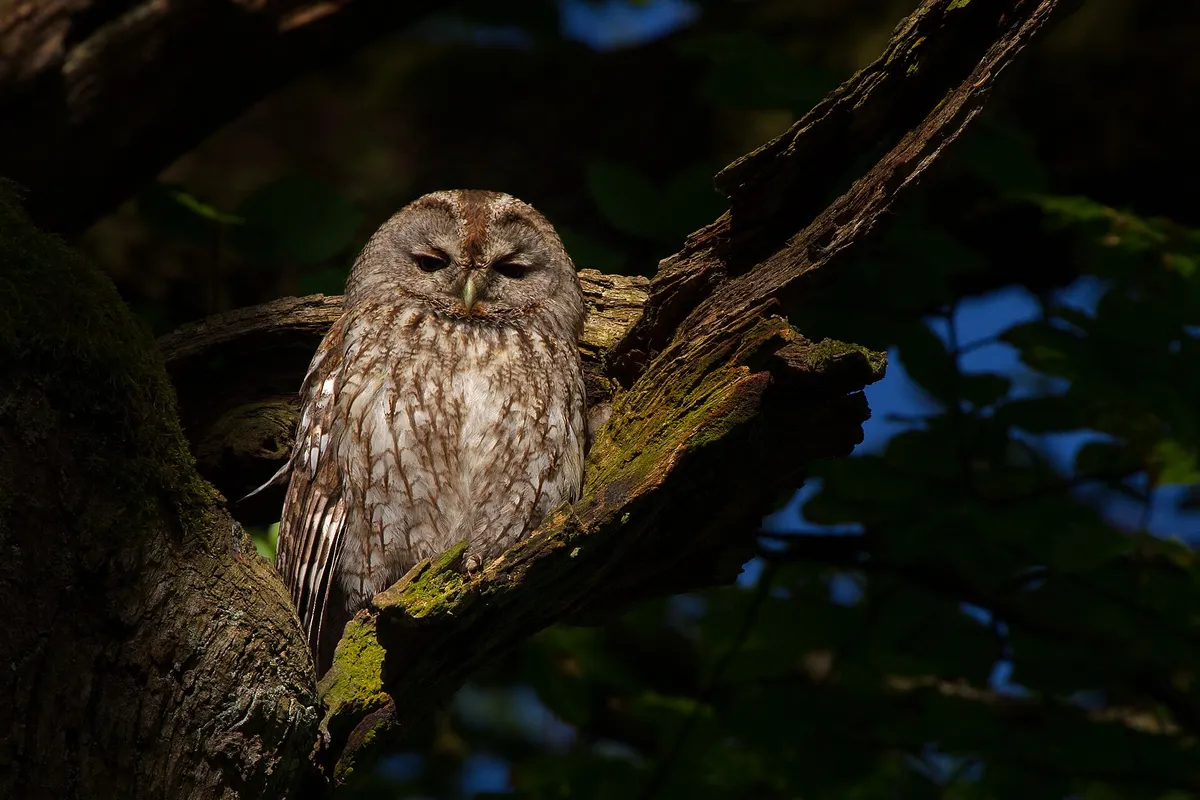
Badger’s Upside-Down Bedtime
When the sun goes down and you go to bed, Badger wakes up. Yawn! Stretch!
Snuffle, snuffle, out of the sett. Badger’s not sleepy yet!
Badger has a black and white stripy face. He pokes his nose out of his home under the ground. It is called a sett.
Sniff, sniff. He smells the night air. Snuffle, snuffle. He finds a juicy worm. Yum!
Snuffle, snuffle, out of the sett. Badger’s not sleepy yet!
All night long, Badger snuffles through the wood. Then the sky turns pink. The birds start to sing. The sun comes up.
Now Badger is sleepy. Yawn! He goes back down into his sett. He curls up in his soft bed of grass.
Snuffle, snuffle, into the sett. Now Badger is sleepy, you bet!
Good morning, everyone. Goodnight, Badger.
Join in: Yawn a big yawn and stretch your arms up whenever Badger does.
- When does Badger wake up?
- What is Badger’s home called?
- Show me your biggest Badger yawn!
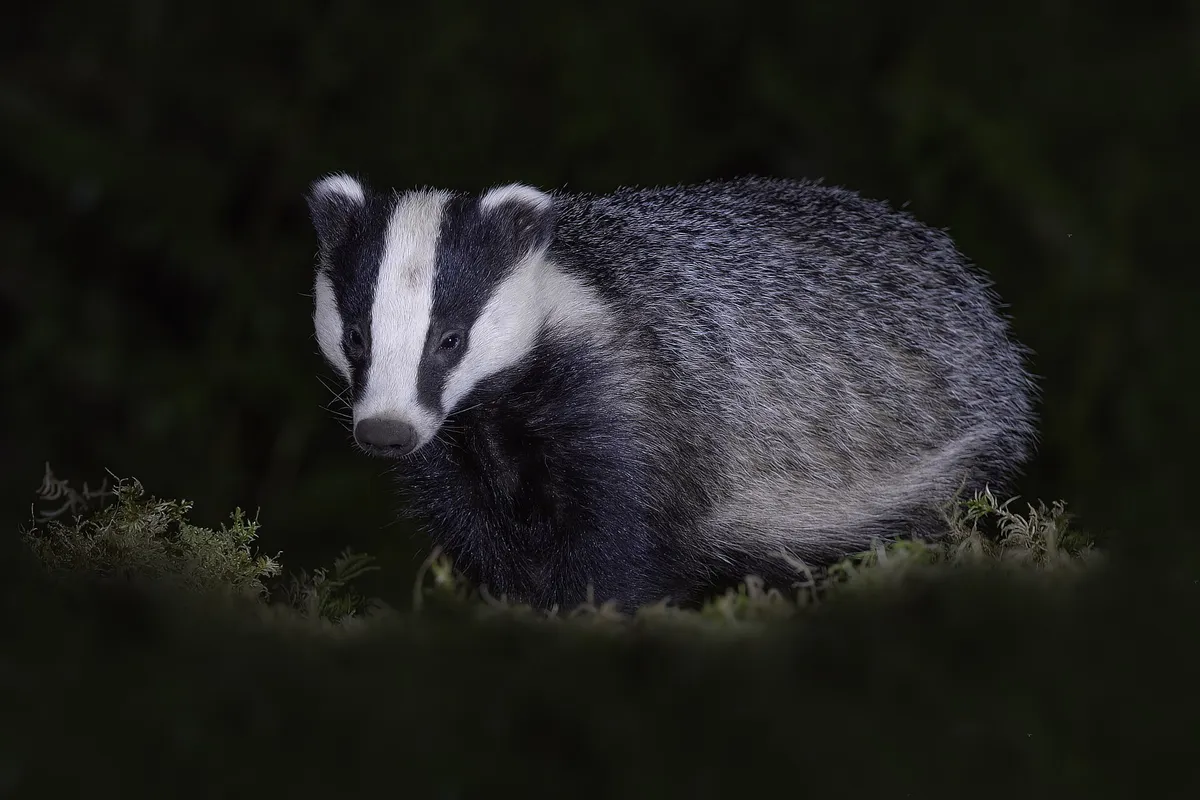
Little Deer Plays Hide and Seek
Little Deer has long legs and spots on her back. She wants to play hide and seek with Mummy Deer.
Where is Little Deer? Peekaboo! Here I am!
Little Deer hides behind a tree. But Mummy can see her ears. Peekaboo!
Little Deer hides in the ferns. But Mummy can see her tail. Peekaboo!
Where is Little Deer? Peekaboo! Here I am!
Little Deer lies down in the long grass, very, very still. Her spots look just like sunshine on the ground. Mummy looks and looks.
“Where can she be?”
Where is Little Deer? Peekaboo! Here I am!
Little Deer jumps up. Boing! Mummy gives her a big nuzzle. “You’re the best hider in the whole wood.”
Join in: Cover your eyes with your hands, then open them for “Peekaboo!”
- Where did Little Deer hide?
- Why was she so hard to find in the long grass?
- Shall we play peekaboo?
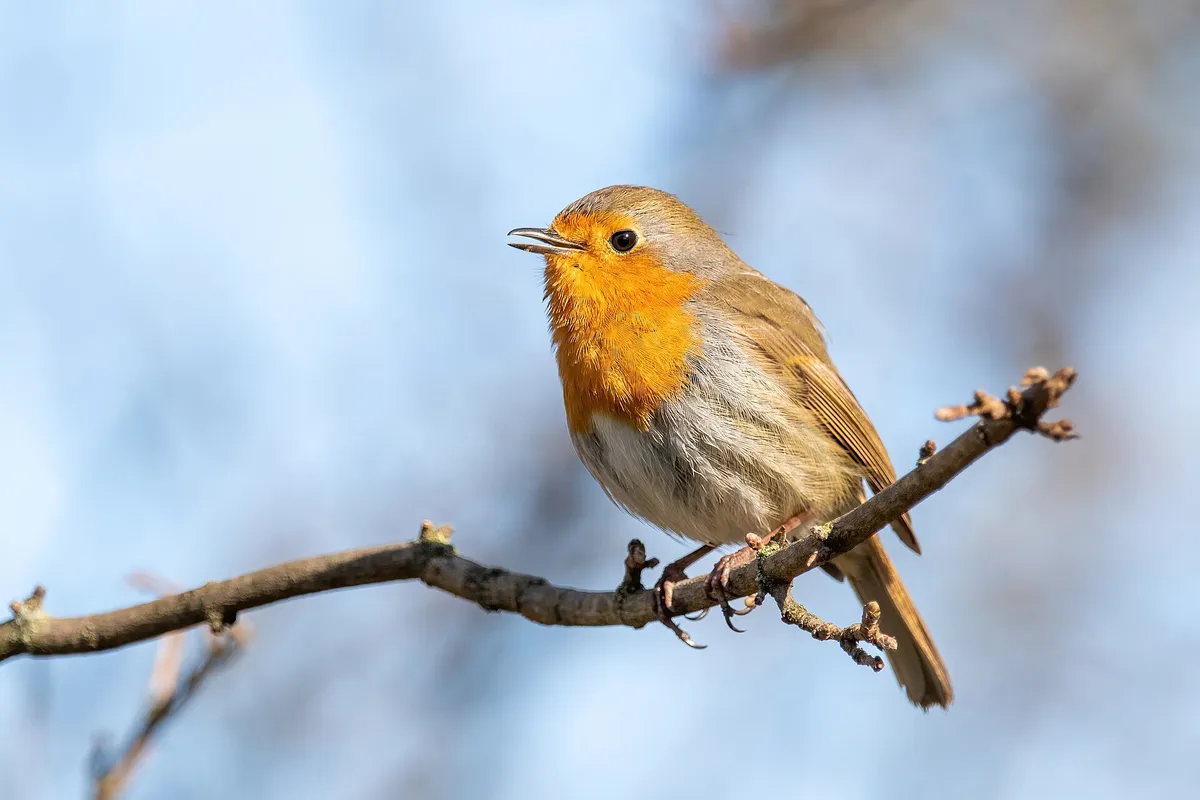
Robin’s Red Tummy
Robin hops through the wood. Hop, hop, hop. What colours can she see?
Hop, hop, little Robin. What can you see?
Green! Green leaves on the trees.
Brown! A brown log, all bumpy.
Yellow! A yellow flower by the path.
Hop, hop, little Robin. What can you see?
Robin hops to the pond. She looks in the water. What colour is that? Red! It’s her own red tummy!
Robin puffs out her feathers. She sings her best song. Tweedle-dee, tweedle-dee!
Hop, hop, little Robin. What did you see? Green, brown, yellow… and red ME!
Join in: Point to something of each colour in the room: green, brown, yellow, red.
- What colour is Robin’s tummy?
- What green things can you see?
- Can you hop like Robin?
Mole Digs Up, Up, Up
Under the ground, where it’s dark and cosy, lives Mole. Mole has soft black fur and big digging paws.
Dig, dig, dig, down in the ground. Dig, dig, dig, round and round.
Mole digs left. Bump! A stone. Mole digs right. Bump! A root.
Mole sniffs with his pink nose. Sniff, sniff. He can smell something. What is it? It’s fresh air!
Dig, dig, dig, up through the ground. Dig, dig, dig, not a sound.
Mole digs up, up, up. And POP! His nose comes out of the ground in the middle of a field. He has made a little hill of earth: a molehill!
Mole blinks in the sunshine. Hello, sky! Hello, grass! Then he wiggles back down, down, down, to his cosy home.
Join in: Make digging hands, and pop up at the end!
- Where does Mole live?
- What did Mole make when he popped up?
- Can you dig like Mole?
Real woodland animal facts (for grown-ups)
Toddlers love it when you tell them the animals in their stories are real. Here’s one simple fact about each, to share on your next walk in the woods.
- Now found mainly in Scotland, with smaller populations in northern England, Wales and Northern Ireland. Grey squirrels are far more common in most of the UK.
- The classic “twit-twoo” is often a duet: one owl calls “ke-wick” and another answers “hoo-hoo”.
- Badgers live in underground tunnels called setts and come out at night to feed, mostly on earthworms.
- Newborn fawns have white spots and lie very still in long grass while their mother feeds nearby.
- Both male and female robins have a red-orange breast, and robins sing all year round, even in winter.
- Moles spend almost all their lives underground. Molehills are the soil they push up while digging tunnels.
Tips for reading with toddlers
Building a story routine early pays off. For older toddlers moving on to longer stories, try our stories for 3-year-olds. For more ideas to support development, see brain development activities for kids. If you’re still in the baby stage, our guide to playing with your newborn includes early book sharing.
Woodland animal books for toddlers
More stories for little ones from Kids Magazines
- Next step up: stories for 3-year-olds.
- Short and sleepy: 5 minute bedtime stories, including “Hattie Hedgehog’s Winter Bed”.
- Getting outside together: outdoor adventures with kids.
- More early-years ideas: brain development activities.
Woodland stories for toddlers: your questions answered
How long should a story be for a toddler?
Very short. Most toddlers aged 1 to 3 concentrate for a few minutes at a time, so stories of about one minute, with lots of repetition and actions, work best. Each story on this page takes about a minute to read aloud. Read two or three, or the same one again, if your toddler wants more.
Why do toddlers like the same story again and again?
Repetition is how toddlers learn. Hearing the same words helps them predict what’s coming, join in and learn new vocabulary. That’s why every story here has a repeated line and an action. Let them finish the line for you once they know it.
When should I start reading to my baby or toddler?
From birth. The NHS Start for Life programme encourages sharing books, songs and rhymes with babies from the very beginning. In England and Wales, BookTrust’s Bookstart scheme gives free book packs to babies and young children through health visitors and libraries.
What are good woodland animal books for toddlers?
Try Owl Babies (Martin Waddell), Tales from Acorn Wood lift-the-flap books (Julia Donaldson and Axel Scheffler), The Gruffalo (Julia Donaldson), Guess How Much I Love You (Sam McBratney), We’re Going on a Bear Hunt (Michael Rosen) and Usborne’s That’s Not My… touchy-feely books.
Are these stories suitable for nursery?
Yes. They’re written for children aged about 1 to 3 and work well for circle time in nurseries and with childminders, especially alongside an autumn or woodland topic.
How do I make story time fun for a toddler who won’t sit still?
Let them move. Every story here has an action: digging, hopping, peekaboo, yawning. You don’t need them sitting on your lap the whole time. Use silly voices, pause before the repeated line, and stop while it’s still fun.
Can I see these animals in the UK?
Yes. All six live in the UK, although red squirrels are now mostly found in Scotland and a few places in northern England, Wales and Northern Ireland. Robins are the easiest to spot, often in gardens. Badgers and owls come out mainly at night.
Sources: NHS Start for Life; BookTrust, Bookstart; RSPB and The Wildlife Trusts species guides (red squirrel, tawny owl, badger, roe deer, robin, mole). Stories © Kids Magazines. Featured photo: Evas-naturfotografie, Wikimedia Commons, CC BY-SA 4.0.