These calming stories for anxious kids at bedtime are written to do two jobs: settle a worried child, and quietly teach them a skill they can use on their own. Each of the five original stories is built around one technique recommended by the NHS for anxious children: a worry box, slow breathing, riding out a worried feeling, making a plan and noticing what’s around you.
They take about three to four minutes to read aloud and suit children aged about 4 to 9. After the stories, there’s a calm bedtime routine for worriers, the signs of anxiety the NHS lists, and when to ask your GP for help.
The short answer
- 5 new stories, each teaching one calming skill: worry box, breathing, riding the wave, making a plan, 5-4-3-2-1 senses.
- Try tonight: three slow breaths, in for 3 and out for 3 (an NHS tip). Practise when calm first.
- Talk earlier: chat about worries after tea, not at lights out.
- Get help if anxiety is severe, lasts, or stops everyday life: start with your GP. YoungMinds parents’ helpline: 0808 802 5544.
Last checked 26 November 2026. General information, not medical advice.
Story finder: calming stories by skill
| Story | Calming skill | Read-aloud time | Best for |
|---|---|---|---|
| Mo and the Worry Post Box | Worry box | 3 min | Children whose worries pile up at bedtime |
| Breathe Like a Sleepy Whale | 3 slow breaths | 3 min | Children with racing hearts or tummy butterflies |
| Lila and the Wave | Ride the wave | 3 min | Children who feel overwhelmed by big worried feelings |
| Pip Makes a Plan | Make a plan | 3 min | Children worried about a specific event |
| Bramley Bear’s Night Watch | 5-4-3-2-1 senses | 3 min | Children frightened by night-time noises and shadows |
5 calming bedtime stories for anxious children
Read slowly, in a soft voice. Lines in blue repeat, so your child can say them with you; repeating a calm phrase is soothing in itself.
Mo and the Worry Post Box
Mo had a head full of worries. At school they were quiet, like birds asleep in a tree. But at bedtime, when the light went out, they all woke up at once and started flapping.
What if I forget my PE kit? What if nobody plays with me? What if the spelling test is really hard?
Flap, flap, flap went the worries, round and round his head.
“Mum,” said Mo, “I can’t sleep. My head is too noisy.”
Mum sat on the edge of the bed. She didn’t say “don’t be silly”. She said, “That sounds tiring. Shall we make something to help?”
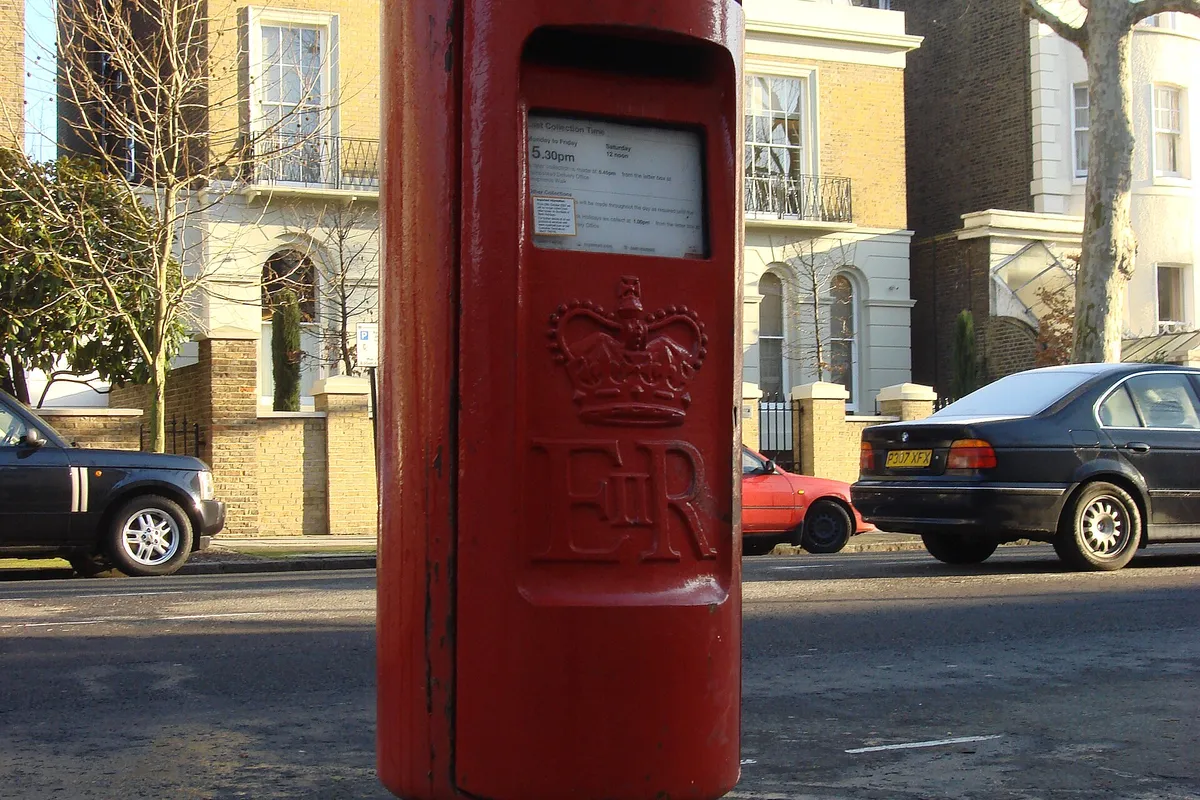
She went downstairs and came back with an empty tissue box, some red paper and a pen. Together, they wrapped the box in red paper and cut a slot in the top. Mo drew a crown on the front, like a real post box.
Write it down and post it in. The box will keep it safe till morning.
“This is a worry post box,” said Mum. “When a worry is flapping around, you write it or draw it, and post it. The box looks after it overnight. In the morning, we open it together and sort them out.”
Mo drew his PE kit on a piece of paper. He posted it. Plop. He drew a picture of himself standing alone in the playground. He posted that too. Plop. He wrote SPELINGS, then crossed it out and wrote SPELLINGS, and posted it. Plop.
Write it down and post it in. The box will keep it safe till morning.
It was strange. His head felt quieter. The worries were still real, but they weren’t flapping any more. They were in the box, folded up and waiting, like letters that would be answered tomorrow.
Mum put the box on the shelf. “Night night, worries,” she said to it, very seriously, and Mo laughed.
In the morning, they opened the box at breakfast. They put the PE kit by the front door straight away. They practised the spellings in the car. And about the playground, Mum said, “Why don’t you ask Ellie if she wants to play tag? She likes tag.”
Ellie did like tag. They played it all lunchtime.
That night, Mo only posted one worry. It was a small one, about whether there would be fish fingers for tea tomorrow. Mum said that one could probably be sorted out right now. (There would be.)
Join in: Before the story, give your child a scrap of paper to draw one worry on. Post it in a box or envelope when Mo does.
- What worry would you post in a worry box tonight?
- Why do you think Mo’s head felt quieter after posting his worries?
- Shall we make our own worry post box?
Breathe Like a Sleepy Whale
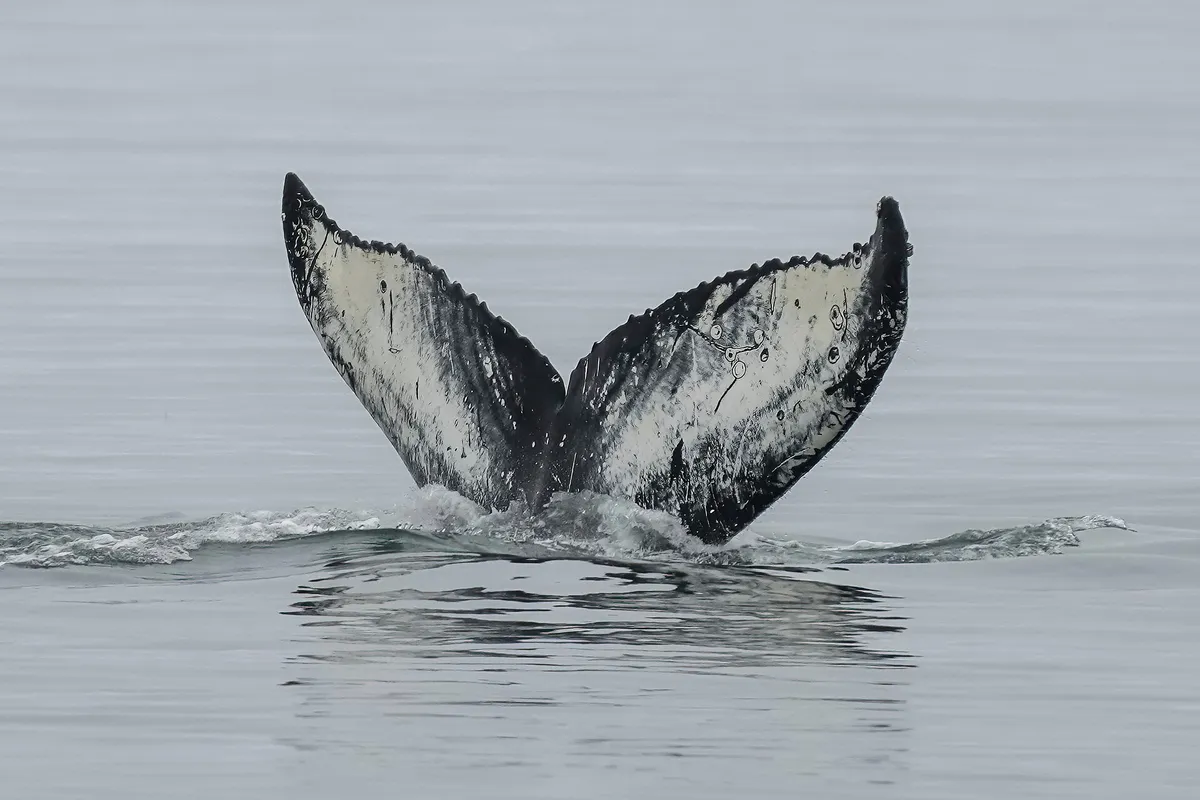
Deep in the cold, green sea lives a whale called Wendell. Wendell is enormous: as long as a bus, with a tail as wide as a garden gate. But even enormous whales get worried sometimes.
One evening, Wendell couldn’t settle. A storm was rumbling far away, and the noise made his big heart go thump-thump-thump, much too fast. His fins felt jittery. His tummy felt full of fizzing bubbles.
His grandmother, an old grey whale with barnacles on her chin, swam up beside him.
“Wendell,” she said, in a voice like a deep, slow song, “let me show you the sleepy whale breath.”
“Swim up to the top with me. When we get there, we breathe in through our blowhole, slowly, for three. One… two… three.”
Breathe in, two, three. Breathe out, two, three. Slow as the sea.
Wendell rose to the surface. The air was cool and smelled of salt. He breathed in, slowly. One… two… three.
“Now let it go, just as slowly. Out for three. One… two… three.”
Wendell let the air out of his blowhole in a long, gentle whoosh. A little fountain of spray sparkled in the evening light.
“Again,” said Grandmother.
Breathe in, two, three. Breathe out, two, three. Slow as the sea.
On the second breath, Wendell noticed his heart slowing down. Thump… thump… thump. On the third breath, the fizzing bubbles in his tummy began to settle, like a glass of lemonade left on the table.
The storm was still far away. It was still rumbling. But Wendell felt different now. He felt big and steady, as big as the sea itself.
“You can do the sleepy whale breath anywhere,” said Grandmother. “In the dark. In a storm. Even when nobody else is there. Your breath always comes with you.”
So Wendell and his grandmother floated side by side at the top of the sea, breathing slowly together, in for three and out for three, while the stars came out above them.
Breathe in, two, three. Breathe out, two, three. Slow as the sea.
And little by little, the great big whale drifted off to sleep.
Join in: Breathe along with Wendell: in for a count of three, out for a count of three.
- How did Wendell feel when he heard the storm? Where did he feel it in his body?
- Can you do three sleepy whale breaths now?
- When else could you use the sleepy whale breath?
Lila and the Wave
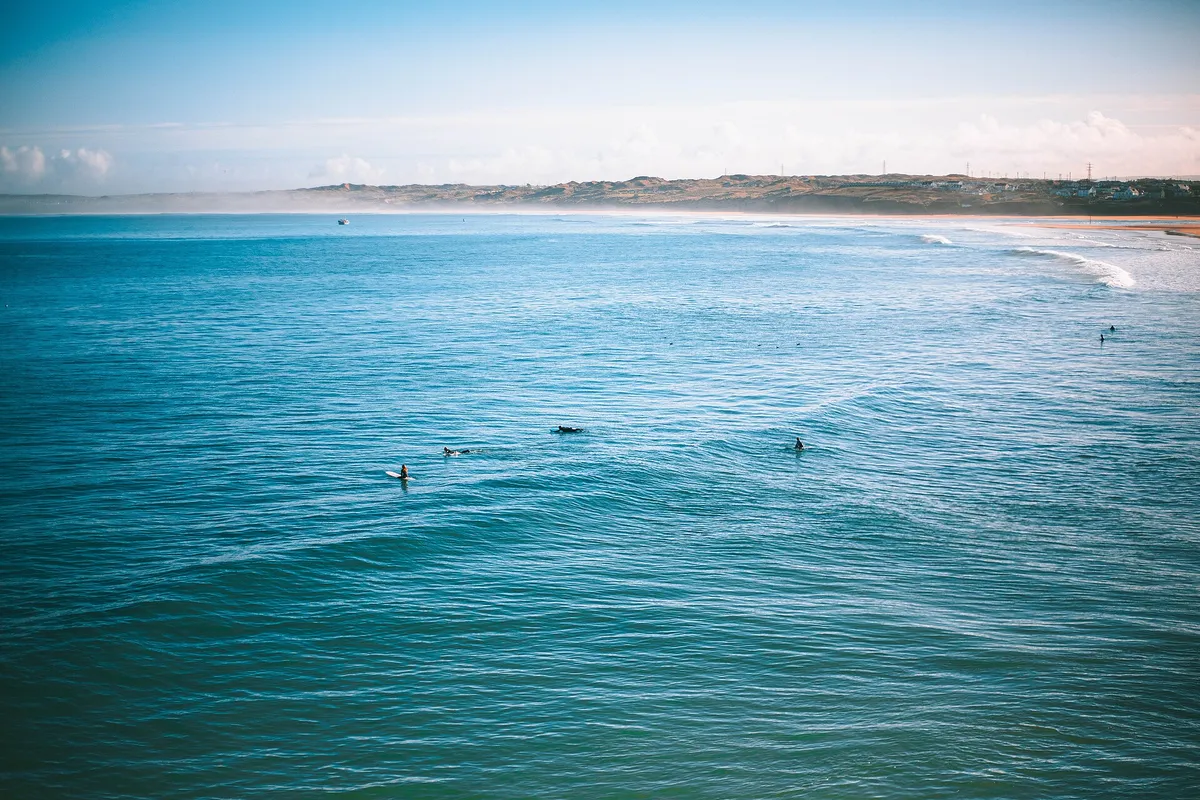
Lila was at the beach with her uncle Danny. The sea was grey-green and calm, and the waves came in slowly, one after another.
But Lila wasn’t enjoying it. Tomorrow was her first day at her new school, and every time she thought about it, a worried feeling rose up in her chest. Her hands went tingly. Her breath went short and quick.
“It’s getting bigger,” she whispered. “What if it never stops?”
Uncle Danny pointed at the sea. “Watch that wave,” he said.
Out in the water, a wave was starting to grow. It rose higher and higher. It looked like it might be the biggest wave in the world.
Up it rises, big and tall. Then down it slides. That’s all.
At the very top, the wave curled over with a frothy white edge. And then it slid down, down, down, and spread out across the sand in a thin, fizzing sheet, until it was just a shiny puddle around Lila’s wellies.
“Worried feelings are like waves,” said Uncle Danny. “They grow. They feel enormous at the top. But they always come back down. Every single one.”
Lila watched another wave. Up it rose. Over it curled. Down it slid.
“You don’t have to fight the wave,” Uncle Danny said. “You just have to wait for it to go down. Breathe slowly, and notice it shrinking.”
Up it rises, big and tall. Then down it slides. That’s all.
So, the next time the worried feeling came, Lila tried. She noticed it rising in her chest. She breathed slowly. She told herself, “This is the top of the wave.” And she waited.
It was hard. But the feeling began to slide down, just like the sea. Her hands stopped tingling. Her breath slowed down. The worry was still there, but it was smaller, like a puddle instead of a wave.
That night, in bed, the feeling came back once more. Lila pictured the grey-green sea. She watched the wave rise in her mind. She breathed. She waited.
Up it rises, big and tall. Then down it slides. That’s all.
And as the wave slid away across the sand, Lila slid gently into sleep.
Join in: Make a wave with your hand: rising up as the feeling gets bigger, curling over at the top, then sliding gently back down.
- Where do you feel worry in your body?
- What did Uncle Danny mean when he said worries are like waves?
- What could you tell yourself when a worry wave starts to rise?
Pip Makes a Plan
Pip the rabbit was going on the burrow school trip to the Big Meadow. Everyone else was excited. Pip was not.
“What if I get lost?” Pip asked Mum. “What if I need the toilet? What if I don’t like the packed lunch?”
Mum didn’t say “you’ll be fine”. She said, “Those are good questions. Let’s make a plan for each one.”
She found a big leaf and a stick of charcoal, and they sat down together at the kitchen table.
Big worry? Small steps. One, two, three, a plan for me.
“Worry number one,” said Mum. “Getting lost. What could you do?”
Pip thought. “I could stay next to my partner. And if I can’t see anyone, I could stand still and wait for Mrs Badger.”
Mum drew a picture of two rabbits holding paws, and a rabbit standing very still. “That’s plan one.”
“Worry number two. Needing the toilet.”
“I could tell Mrs Badger,” said Pip. “She’ll know where to go.” Mum drew a little picture of Pip putting up a paw.
Big worry? Small steps. One, two, three, a plan for me.
“Worry number three. Not liking the packed lunch.”
This one was easy. “I could help you make it,” said Pip. “Then I’ll know what’s inside.” So they made it together: dandelion sandwiches, a crunchy carrot and, as a special treat, a small strawberry.
Pip folded the leaf up and put it in his backpack. He didn’t need to look at it. Just knowing it was there made him feel steadier, like having a torch in your pocket even when it’s light.
The trip was long and busy. Pip didn’t get lost, because he stayed next to his partner, Bramble. He did need the toilet, so he told Mrs Badger, and she showed him where to go. And the packed lunch was the best in the whole class. Bramble said so.
That night, Pip told Mum all about it. “I was still a bit worried,” he said. “But I knew what to do.”
Big worry? Small steps. One, two, three, a plan for me.
“That,” said Mum, tucking him in, “is exactly what being brave means.”
Join in: At the end, help your child make a three-step plan for one thing they’re worried about.
- What were Pip’s three worries?
- Which part of the plan do you think helped most?
- Is there something coming up that we could make a plan for?
Bramley Bear’s Night Watch
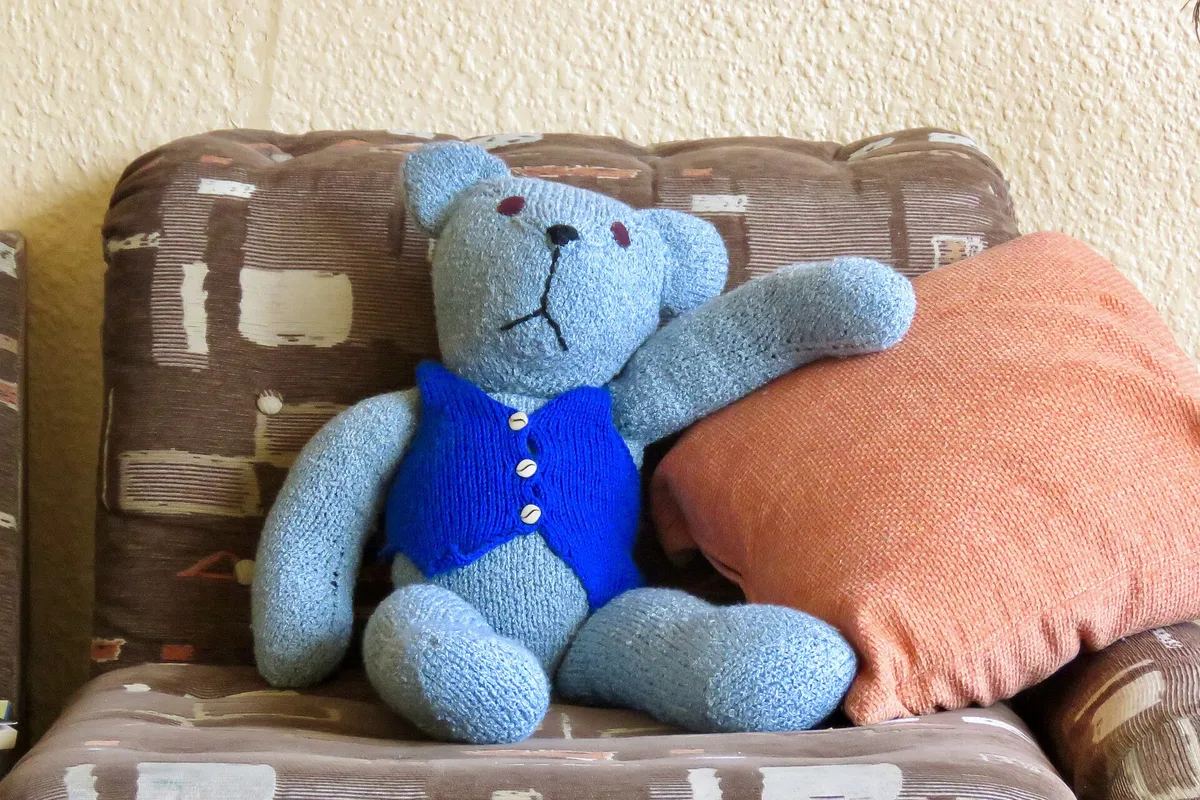
Every night, when Noor went to sleep, her teddy, Bramley, went on night watch. That was his job. He sat at the end of the bed with his knitted waistcoat buttoned up and his ears pricked, keeping an eye on things.
But tonight, Noor couldn’t sleep. The house was making noises. The radiator ticked. Something creaked on the landing. A car went past and its lights slid across the ceiling like a ghost.
“Bramley,” she whispered, “I’m scared.”
And because it was night-time, and teddies are allowed to talk at night if it’s important, Bramley whispered back.
“Let’s do a night watch together,” he said. “It’s what I do. First, find five things you can see.”
Look and listen, feel and know. I’m right here, nice and slow.
Noor looked. “The night light. My dressing gown on the door. The stars on my ceiling. My water bottle. You.”
“Good. Now four things you can feel.”
“My soft duvet. My pillow under my cheek. My toes, all warm. Your fluffy ear.”
“Three things you can hear.”
Noor listened. The radiator ticked. “That’s the heating,” said Bramley, “keeping us warm.” The landing creaked. “That’s the house stretching, like we do before bed.” Downstairs, very faintly, she could hear Dad laughing at the telly. “And that’s Dad,” said Bramley. “Right downstairs.”
Look and listen, feel and know. I’m right here, nice and slow.
“Two things you can smell.”
Noor sniffed. “My clean pyjamas. And… toast? Is Dad making toast?”
“Probably,” said Bramley. “He often does. Last one. One thing you can taste.”
“Minty toothpaste,” said Noor, and she smiled, because the scary feeling had gone somewhere while she was busy counting.
The radiator was just a radiator. The creak was just the house. The lights on the ceiling were just a car going home. And her bedroom was just her bedroom, warm and safe, with Bramley on watch at the end of the bed.
Look and listen, feel and know. I’m right here, nice and slow.
Noor closed her eyes. Bramley buttoned his waistcoat and went back to keeping watch. And he kept it all night long.
Join in: Do the counting with Bramley: five things to see, four to feel, three to hear, two to smell, one to taste.
- Can you find five things you can see right now?
- What noises does our house make at night? What are they really?
- Who keeps watch over you at night?
A calm bedtime routine for anxious children
Anxious children do best when they know exactly what’s coming. The NHS says regular routines are reassuring for children of all ages. A routine that leaves worries outside the bedroom might look like this:
If the dark itself is the problem, our story “Dot the Dragon Is Scared of the Dark” in stories for 4-year-olds may help, and our imaginative journey stories are guided relaxations that work well for worriers. For children who feel everything intensely, see our guide to deeply feeling kids.
Signs of anxiety in children
Worry is a normal part of growing up. But the NHS lists signs that a child may be struggling with anxiety:
- Irritable, tearful or clingy
- Difficulty sleeping, waking in the night
- Starting to wet the bed again
- Bad dreams
- Lacking confidence to try new things
- Finding it hard to concentrate
- Problems sleeping or eating
- Angry outbursts, expecting bad things to happen
- Avoiding friends, going out or school
The NHS also advises: talk with your child and listen carefully without dismissing their worries; explain anxiety as a natural reaction to stress that builds like a wave and then goes away; help them find solutions; teach them to recognise their own signs; prepare them for changes; and try not to become overprotective or anxious yourself.
When to get help
More calm stories from Kids Magazines
- Guided relaxation journeys: imaginative journey stories and prompts.
- Quick and gentle: 5 minute bedtime stories.
- For six-year-olds, including a first sleepover story: bedtime stories for 6 year olds.
- Children with big feelings: deeply feeling kids.
Calming stories for anxious kids: your questions answered
Do calming stories help anxious children sleep?
They can help. A calm, predictable story at the same time each night is part of a soothing routine, and stories that model a coping skill, such as slow breathing or a worry box, give children something practical to try. The NHS recommends regular routines, slow breathing and worry boxes for anxious children. Stories aren’t a treatment for an anxiety disorder, though.
What is a worry box?
A worry box is a box (an empty tissue box works well) with a slot in the top. Your child writes or draws a worry and “posts” it, then you look at the worries together later and sort them out. The NHS suggests it as a way for children to put worries down, especially at bedtime. Our story “Mo and the Worry Post Box” shows how.
What breathing exercise can I teach an anxious child?
The NHS suggests three slow, deep breaths: in for a count of three, then out for a count of three. Practise when your child is calm, so it’s easier to use when they’re worried. The story “Breathe Like a Sleepy Whale” turns it into a game.
Why are children more anxious at bedtime?
During the day, school, play and screens keep children busy. At bedtime there are no distractions, so worries surface. Darkness and night-time noises can add to it. Talking about worries earlier in the evening, not just at lights out, often helps.
What are signs of anxiety in children?
According to the NHS, younger children may become irritable, tearful or clingy, have trouble sleeping, wake in the night, start wetting the bed or have bad dreams. Older children may lack confidence, struggle to concentrate, have angry outbursts, expect bad things to happen or avoid everyday activities, including school.
When should I get help for my child’s anxiety?
The NHS advises getting help if your child’s anxiety is severe, doesn’t go away, or is interfering with everyday life. Your GP is a good place to start, and you can also talk to your child’s school. YoungMinds runs a free parents’ helpline on 0808 802 5544, Monday to Friday, 9.30am to 4pm.
Should I stay with my child until they fall asleep?
It depends on your child. Many anxious children settle better with gradual steps: sitting by the bed at first, then by the door, then checking in every few minutes. Reassure calmly, keep it brief and keep the routine the same each night. If sleep problems go on for weeks, talk to your GP or health visitor.
Sources: NHS, “Anxiety in children” (page last reviewed 5 August 2026); YoungMinds parents’ helpline. Stories © Kids Magazines. This article is general information and not a substitute for medical advice. Featured photo: Carosaun, Wikimedia Commons, CC BY-SA 4.0.