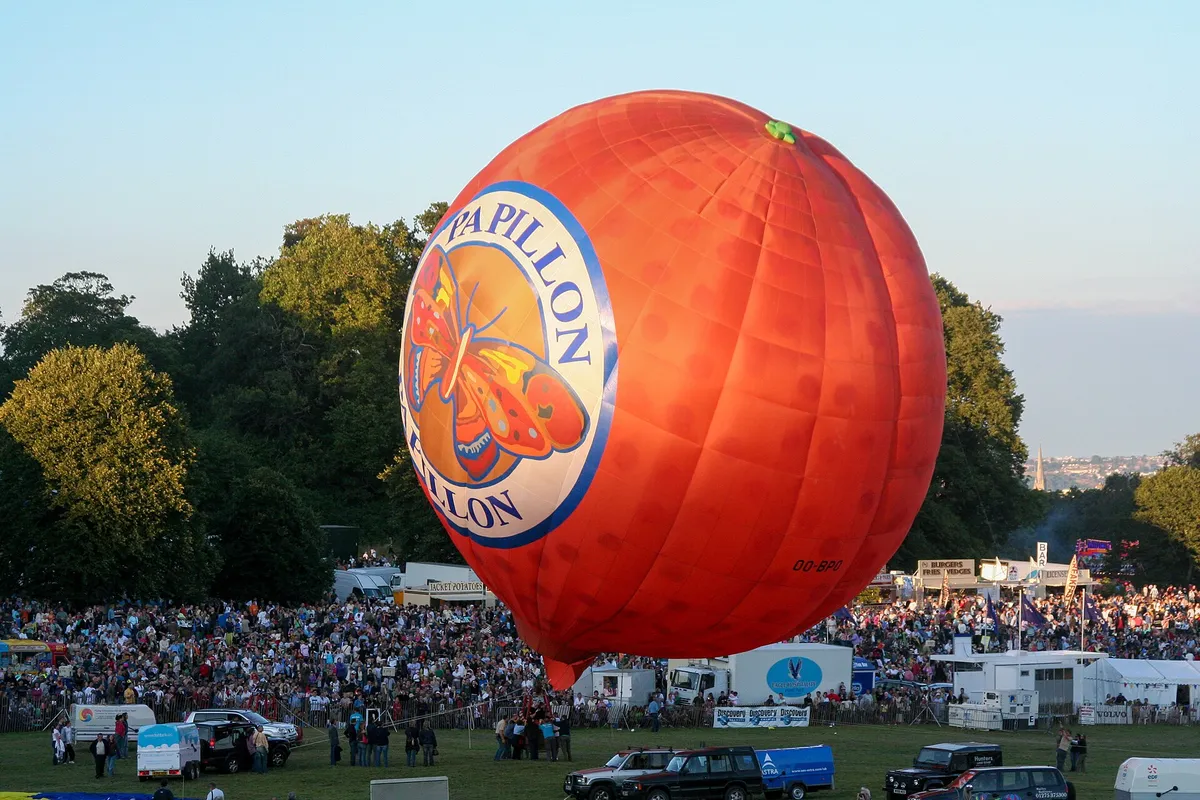
An imaginative journey is a story that a child travels through in their head: floating in a hot-air balloon, sinking under the sea in a glass bubble, or opening a mysterious door. Here are five original imaginative journey scripts for kids to read aloud, three for calming down and two for sparking creativity, plus 30 imaginative journey prompts for storytelling and creative writing.
The scripts are written to be read slowly, with pauses marked, and take about four to seven minutes each. They suit children from about 4 to 11, at home, at bedtime or in the classroom. Further down: how to lead an imaginative journey, what research says about guided imagery for children, a four-step way to turn a journey into writing, and nine books full of imaginative journeys.
The short answer
- To calm down: The Hot-Air Balloon, Under the Sea in a Glass Bubble, The Snowy Cabin.
- For creativity and big feelings: The Corridor of Doors (open-ended) and The Garden Inside You (body calm).
- For writing: 30 imaginative journey prompts and a 4-step journey-to-writing plan.
Journey finder: imaginative journeys at a glance
Choose by what your child needs right now: to settle down, to manage a worry, or to get their imagination going. Times assume a slow reading pace with the pauses held.
| Journey | Time | Ages | Best for | What it’s like |
|---|---|---|---|---|
| 1. The Hot-Air Balloon | 4–6 min | 4–8 | Calming down | Calm · floating · breathing |
| 2. Under the Sea in a Glass Bubble | 5–7 min | 4–8 | Calming down | Calm · the ocean · noticing |
| 3. The Snowy Cabin | 4–6 min | 5–10 | Calming down or bedtime | Calm · warmth · the senses |
| 4. The Corridor of Doors | 4–6 min | 6–11 | Creative writing and play | Creative · choices · storytelling |
| 5. The Garden Inside You | 5–7 min | 6–11 | Worries and big feelings | Calm · body awareness · growing |
5 imaginative journey stories to read aloud
Read slowly and softly. Lines in blue repeat and are good moments to breathe together. Where you see pause, stop for three to five seconds before carrying on.
The Hot-Air Balloon
Get comfortable, lying down or sitting, wherever you feel cosy. Let your hands rest. If you like, close your eyes. If not, just look at one spot on the floor. pause
Imagine you are standing in a big green field, early in the morning. The grass is wet with dew and it tickles your ankles. In front of you is a hot-air balloon, lying on its side. It’s your favourite colour. pause
There’s a basket made of woven wicker. You climb in. It creaks a little, and it smells like an old picnic hamper.
Breathe in slowly… and the balloon fills up. Breathe out… and up you float.
With a gentle whoosh, warm air fills the balloon. It stands up tall above you. Then, so softly you hardly notice, the basket lifts off the grass. pause
You are floating. Up past the hedge. Up past the tall trees. Look down. The field is getting smaller. The cows look like toys.
Breathe in slowly… and the balloon fills up. Breathe out… and up you float.
Now you’re drifting over a village. You can see red roofs, a church with a pointy spire, and a river winding along like a silver ribbon. Somewhere below, a dog is barking, but it sounds very far away. pause
Feel the air on your face. It’s cool and fresh. The sun is warm on your hands. The balloon drifts wherever the breeze takes it, and you don’t have to do anything at all. Just float. pause
A bird flies past, right next to the basket, and looks at you as if to say, “What are you doing up here?” You smile at it.
Breathe in slowly… and the balloon fills up. Breathe out… and up you float.
You float above a big, soft cloud. It looks like a huge pillow. Imagine reaching out and touching it. What does it feel like? pause
Now the balloon starts to come down, slowly, gently, like a feather. Past the cloud. Past the birds. Down towards a green field. Your field. pause
The basket touches the grass with the softest bump. You’re back on the ground, and you feel calm and light, as if a little bit of the sky came with you.
Now, slowly, wiggle your fingers. Wiggle your toes. Take one more big breath. And when you’re ready, open your eyes.
Join in: Every time the balloon fills up, breathe in slowly together through your nose. Every time it floats, breathe out through your mouth.
- What colour was your balloon?
- What could you see from up in the sky?
- What did the cloud feel like?
Under the Sea in a Glass Bubble
Settle yourself somewhere comfy. Let your shoulders drop down, away from your ears. Close your eyes, or rest them on one spot. pause
Imagine you are on a quiet beach. The sand is warm and soft under your feet. In front of you, at the edge of the water, is a big glass bubble, big enough for you to sit inside. It has a soft cushion at the bottom. pause
You climb in. The bubble closes around you, gently, like a hug. Inside, the air is fresh and you can breathe easily. You are completely safe.
Slowly, slowly, down we go. The water is blue, and the world is slow.
The bubble rolls gently into the sea. Water swishes around it. Then it sinks, slowly, slowly, down beneath the waves. Everything turns a beautiful soft blue. pause
Look around. Little silver fish are swimming past, all turning at the same time, like a sparkly ribbon. One of them comes right up to the glass and looks at you with its round eyes. pause
Slowly, slowly, down we go. The water is blue, and the world is slow.
Deeper now. The water is darker blue. A turtle glides past, flapping its flippers as if it’s flying. It’s in no hurry at all. Watch how slowly it moves. pause
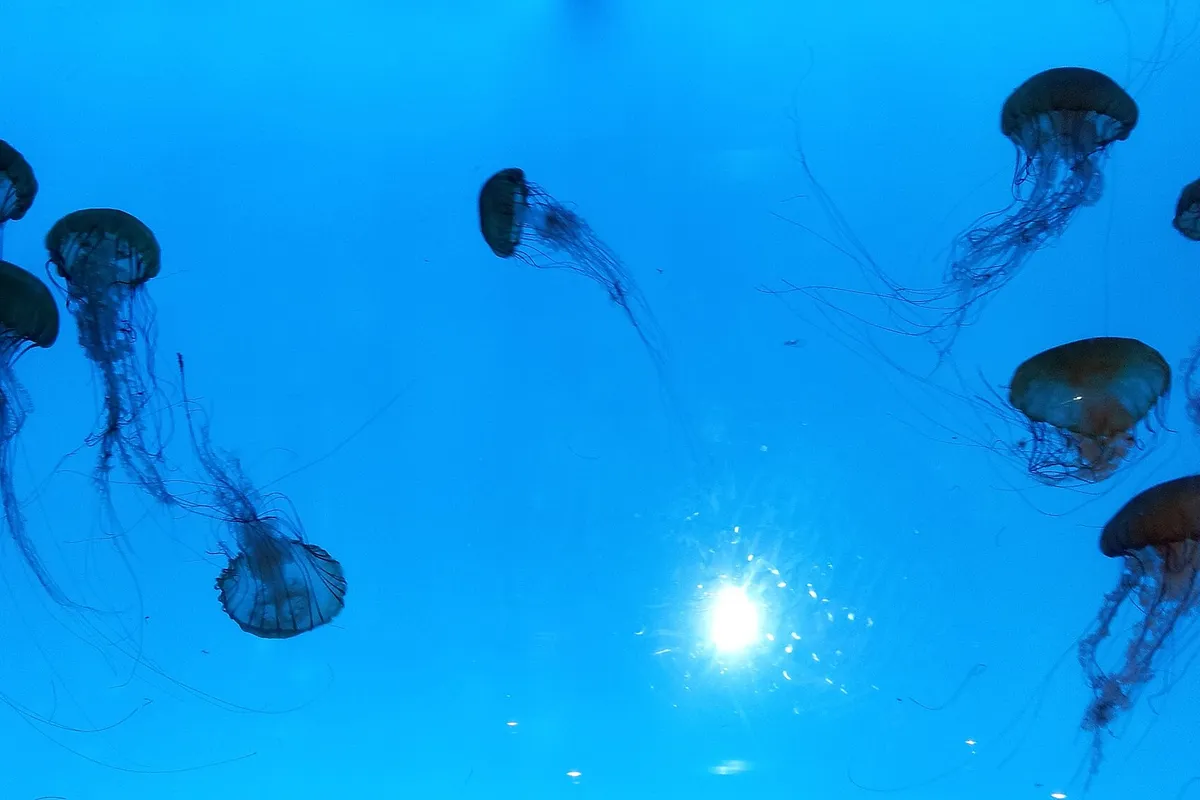
And now, look up. Floating above you are jellyfish, dozens of them, drifting like umbrellas. Their long, wispy tails trail behind them. They don’t swim fast. They just pulse, open and close, open and close, like slow breathing. pause
Try breathing like a jellyfish. In… as it opens. Out… as it closes. In… and out. pause
Slowly, slowly, down we go. The water is blue, and the world is slow.
Your bubble settles gently on the sandy sea floor. There are shells here, and pebbles, and tall green seaweed swaying from side to side. It’s very, very quiet. All you can hear is a soft whooshing sound, like listening to a shell. pause
Choose one shell to remember. What does it look like? pause
Now your bubble begins to rise. Up through the dark blue. Up through the light blue. The jellyfish wave goodbye with their wispy tails. The silver fish swirl around you one last time. pause
Pop! Your bubble comes up into the sunshine, and rolls gently back onto the warm sand.
Wiggle your fingers and your toes. Have a big stretch. And when you’re ready, open your eyes.
Join in: Each time a new creature swims past, ask your child to tell you one thing about it: its colour, its size or how it moves.
- Which sea creature did you like best?
- What did your shell look like?
- How did it feel to breathe like a jellyfish?
The Snowy Cabin
Find a comfortable way to sit or lie. Let your body feel heavy and still. Close your eyes if that feels nice. pause
Imagine you are walking through a forest in winter. Snow is falling, soft and slow. Each flake is different. Some land on your sleeve, and you can see their tiny patterns before they melt. pause
Your boots go crunch, crunch, crunch in the snow. Your breath makes little clouds in the cold air. Everything is white and quiet. The tall pine trees are wearing snow like thick white coats.
Crunch, crunch, through the snow. Slow and steady, on we go.
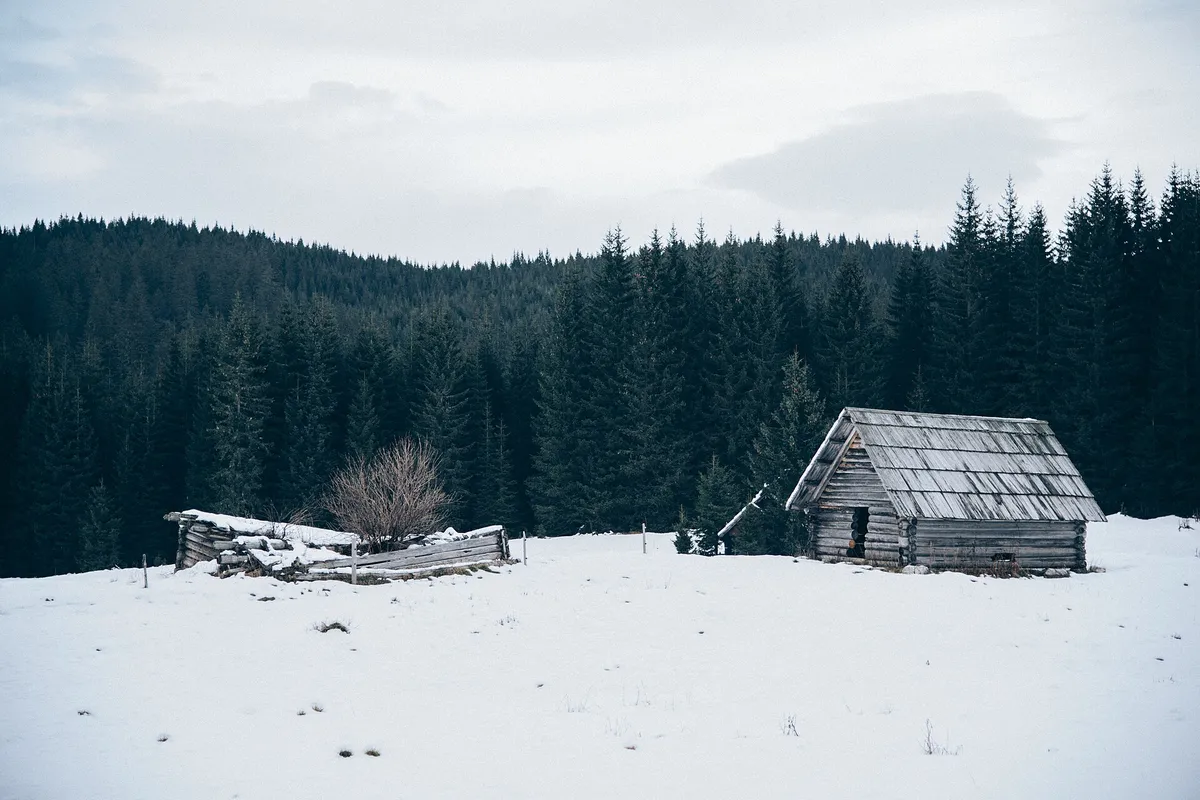
Up ahead, between the trees, you see a little wooden cabin. There’s smoke curling out of the chimney, and a warm yellow light glowing in the window. pause
You open the door. Warm air wraps around you. You stamp the snow off your boots, take off your coat and your hat, and hang them on a hook.
Crunch, crunch, through the snow. Slow and steady, on we go.
Now, look around the cabin. What can you see? Maybe a fire crackling in a stone fireplace, a big squashy armchair, a rug on the floor, a shelf of old books. pause
What can you hear? The fire pops and crackles. Outside, the wind whistles softly. Inside, it’s cosy and still. pause
What can you smell? Wood smoke. And something sweet, like warm cinnamon toast. pause
You sit down in the big armchair, close to the fire. What can you feel? A soft, heavy blanket over your knees. The warmth of the fire on your feet and your face. Your fingers and toes, cold from the snow, slowly warm up, tingling. pause
On the little table next to you is a mug of hot chocolate. You hold it in both hands. What can you taste? Warm, sweet and creamy. pause
Outside the window, the snow keeps falling, softly, slowly. You are warm and safe inside. There is nowhere you need to be and nothing you need to do. pause
Slow and steady… warm and still…
Stay here for a moment, by the fire, and just breathe. pause
When you’re ready, take a deep breath in, and let it out slowly. Wiggle your fingers. Wiggle your toes. You can come back to the snowy cabin whenever you like. Now, open your eyes.
Join in: Pause after each sense (see, hear, smell, feel, taste) and let your child add one detail of their own.
- What did you see, hear, smell, feel and taste in the cabin?
- What was the best bit of your cabin?
- When might you go back to the snowy cabin in your head?
The Corridor of Doors
Sit comfortably and close your eyes, or look at a spot in front of you. Take three slow breaths. In… and out. In… and out. In… and out. pause
Imagine you are standing at the start of a long, long corridor. The floor is made of smooth stone. The walls are lined with doors, as far as you can see. Every door is different. pause
Walk slowly down the corridor. Look at every door.
The first door is small and round and painted bright green, with a brass knocker shaped like a frog. Next to it is a huge wooden door with iron studs, like the door of a castle. Then a glass door, frosted with ice. Then a door covered in moss and tiny flowers. pause
Keep walking. What other doors can you see? What colours are they? What are they made of? pause
Walk slowly down the corridor. Look at every door.
Now, stop. One of the doors is calling to you. It’s the one you’ve been waiting for. Walk up to it. What does it look like? Is there a handle, or a knocker, or a keyhole? pause
Put your ear against the door. Can you hear anything on the other side? Waves? Wind? Music? Voices? Nothing at all? pause
Now, slowly, open the door. pause
Step through. Where are you? Look around. Is it day or night? Hot or cold? Is it somewhere real, or somewhere nobody has ever been before? pause
Look down at your feet. What are you standing on? Sand, grass, clouds, a spaceship floor? pause
Someone, or something, is coming towards you. They seem friendly. Who is it? What do they say to you? pause
They want to show you something special in this place. Follow them. What do they show you? pause
Now it’s time to go back. Say goodbye. Maybe they give you something to take with you. What is it? pause
Walk slowly back to the door.
Step back through the door into the stone corridor. Close it gently behind you. It will always be there, waiting, whenever you want to go back. pause
Take three slow breaths. Wiggle your fingers and toes. And open your eyes.
Now, before you forget, tell someone about your door, or draw it, or write it down.
Join in: This one is open-ended. Stop at each pause and let your child tell you what they see. There are no wrong answers.
- What did your door look like? What was behind it?
- Who did you meet, and what did they show you?
- What did they give you to take home?
The Garden Inside You
Lie down on your back if you can, with your arms by your sides. Let your body sink into the floor or the bed. Close your eyes if you’d like to. pause
Imagine that inside you there is a beautiful garden. It’s your garden, and nobody else’s. Today, we’re going to walk through it, from your toes all the way up to the top of your head. pause
Breathe in, and the garden grows. Breathe out, and the soft wind blows.
Start with your feet. Imagine your feet are the roots of a big, strong tree, reaching down into the cool, dark soil. They hold you steady. Wiggle your toes, then let them go still and heavy. pause
Now your legs. Imagine they’re tall grass, swaying gently in a warm breeze. Let them go soft and floppy, like grass in the sun. pause
Breathe in, and the garden grows. Breathe out, and the soft wind blows.
Now your tummy. In the middle of your garden there’s a small pond. When you breathe in, the water rises gently. When you breathe out, it settles. Put your hands on your tummy and feel it rise… and fall. pause
Sometimes, when we feel worried or cross, the pond gets choppy, with little waves. That’s OK. Feelings are like weather. Watch the waves, and breathe slowly, and see how the water starts to calm down, all by itself. pause
Breathe in, and the garden grows. Breathe out, and the soft wind blows.
Now your arms and hands. Imagine they are branches, with leaves fluttering. Let your fingers go loose and still, like leaves when the wind stops. pause
Now your shoulders. Lots of us carry our worries in our shoulders, all hunched up. Lift them up to your ears… and let them drop. Imagine your worries floating away from your garden like dandelion seeds on the wind. pause
Now your face. Let your forehead go smooth. Let your jaw go loose. Imagine warm sunshine on your face, like the sun shining down on your whole garden. pause
Last of all, the top of your head. Imagine a flower there, opening its petals slowly towards the sky. What colour is it? pause
Breathe in… the garden grows…
Now look at your whole garden, from the roots in your feet to the flower on your head. It’s calm. It’s peaceful. And it’s always there, inside you, whenever you need a quiet place to go. pause
Take a deep breath. Wiggle your fingers and toes. Stretch your arms up high. And when you’re ready, open your eyes.
Join in: As you go through each part of the body, gently touch that part of your child (feet, tummy, shoulders, head) if they like it.
- Which part of your garden felt the calmest?
- What colour was your flower?
- When could you visit your garden again, maybe when you feel worried?
How to lead an imaginative journey
You don’t need any training. A calm voice and a bit of patience are enough. These five steps make the difference between a fidgety five minutes and a genuinely relaxing one:
- Keep it optional. Never insist that a child closes their eyes or lies still. Sitting up and looking at a spot works just as well.
- Watch for worries. Skip water journeys for a child who’s nervous of swimming, or dark settings for one who’s scared of the dark.
- Repeat favourites. Children often relax more on the second or third time, because they know what’s coming.
- Use it at the right moment. Before bed, after a busy day, or before a test. Not in the middle of a meltdown, when a hug works better.
Does guided imagery help children? What the research says
Calming imaginative journeys are a form of guided imagery. The evidence is promising but limited, and it’s worth being honest about both sides.
In a pilot trial published in Pediatrics in 2009, Miranda van Tilburg and colleagues at the University of North Carolina gave children aged 6 to 15 with recurring tummy pain (functional abdominal pain) either usual medical care, or usual care plus guided imagery recordings to listen to at home for two months. Far more children in the guided imagery group improved:
Intention-to-treat results from van Tilburg et al., Pediatrics 2009. A small pilot study: 34 children were randomised and 29 completed it. The benefits were still there six months later.
On the other hand, MYRIAD, a very large UK trial involving more than 8,000 pupils aged 11 to 13 in 84 secondary schools, found that a course of school mindfulness lessons was no better than normal lessons for young people’s mental health, partly because most pupils didn’t practise at home. The takeaway: short, enjoyable journeys that a child actually wants to do are more useful than a long programme they don’t engage with. If your child has ongoing pain, anxiety or trouble sleeping, talk to your GP. For children who feel things intensely, our guide to deeply feeling kids has more ideas.
30 imaginative journey prompts for kids
Use these as starting points for an imaginative journey you make up together, for storytelling games in the car, or as creative writing prompts. Read one out, give your child a minute with their eyes closed, then ask them what happened:
- You find a tiny door at the bottom of your garden fence. You shrink to fit through it.
- A door appears in the middle of the school playground. Nobody else can see it.
- Your wardrobe has a back you’ve never noticed before.
- A lift in a shop has a button that says “Floor 100”.
- You open a book and fall into the first page.
- A cat leads you to a door in a wall that wasn’t there yesterday.
- You climb a beanstalk that grows outside your bedroom window overnight.
- A whale offers you a ride to the bottom of the ocean.
- You fly with a flock of geese all the way to winter.
- A paper aeroplane you made carries you over the rooftops.
- You dig a hole so deep you come out the other side of the world.
- You travel inside a raindrop from a cloud to the sea.
- You wake up the size of an ant in your own kitchen.
- You grow so tall you can step over your town.
- You explore the inside of a snow globe.
- You visit a city that lives under a single leaf.
- You ride on the back of a bumblebee for a day.
- You shrink and explore a sandcastle from the inside.
- You find a key that opens a door into your town 100 years ago.
- You visit the dinosaurs for one hour, and must be back by tea time.
- You meet yourself as a grown-up. What do you tell each other?
- A grandparent’s old photo comes to life and you step inside it.
- You travel to the future and see your school.
- You spend a day in a castle in the time of knights.
- Your pencil case is a spaceship.
- The pattern on your duvet turns into a map you can walk on.
- A puddle on the pavement is a window into another world.
- Your teddy takes you on a tour of where toys go at night.
- The cardboard box from a delivery becomes a submarine.
- You walk into a painting in a gallery.
Turning an imaginative journey into writing
Imaginative journeys are a brilliant way into creative writing, because children arrive at the page already full of ideas. This four-step plan works well for children from about Year 1 to Year 6:
Imaginative play like this matters for development too. Our explainers on Piaget’s theory and brain development activities for kids explain why pretend and imagination are so important in the primary years.
9 books full of imaginative journeys
Easy to find in UK libraries and bookshops. The first six are picture books; the last three are chapter books to read aloud.
More stories and ideas from Kids Magazines
- Stories with a heart: our stories about kindness.
- Real-world adventures to imagine next: our adventure stories for kids.
- Calm stories for lights out: 5 minute bedtime stories, including “Polly’s Jar of Quiet Sounds”.
- Helping a sensitive child with big emotions: deeply feeling kids.
- More things to do together: educational activities for kids to do at home.
Imaginative journeys for kids: your questions answered
What is an imaginative journey?
An imaginative journey is a short spoken story, usually told as “you”, that invites a child to picture themselves travelling somewhere in their mind, using all their senses. Calm journeys, sometimes called guided imagery or guided visualisation, are used to help children relax. Open-ended journeys, like “The Corridor of Doors”, are used to spark creative writing and storytelling.
What age are imaginative journeys for?
Most children can enjoy a simple imaginative journey from about age 4, as long as it is short and very concrete, like floating in a balloon. Children from about 6 to 11 can manage longer journeys with more open questions, and older children often enjoy using them for creative writing. The journey finder on this page gives an age range for each one.
How long should a guided imaginative journey be?
For four- to six-year-olds, three to five minutes is plenty. Older children can enjoy journeys of five to ten minutes. The journeys on this page take about four to seven minutes when read slowly with pauses. If your child gets fidgety, it’s fine to skip ahead to the ending.
Does guided imagery really help children?
There is some encouraging evidence, mostly from small studies. In a 2009 pilot trial published in Pediatrics, 63 per cent of children with recurring tummy pain who listened to guided imagery recordings at home improved, compared with 27 per cent who had usual care alone. However, a very large UK trial of mindfulness lessons for 11- to 13-year-olds (MYRIAD, 2022) found they worked no better than normal school lessons. Imaginative journeys are best seen as a calming, enjoyable tool, not a treatment. If your child has ongoing pain, anxiety or sleep problems, speak to your GP.
What if my child can’t picture anything?
That’s fine and quite common. Some children, and adults, don’t see pictures in their mind at all. Let them keep their eyes open, focus on the sounds and feelings in the story, or draw as you read. The breathing and the slow pace still help.
How do I use imaginative journeys for creative writing?
Use an open-ended journey or one of the prompts, then follow four steps: travel (imagine it), talk (the five senses), map it (draw the route), and write (one place at a time). Collecting sensory words before writing gives children much richer descriptions than starting with a blank page.
Can teachers use these in the classroom?
Yes. Imaginative journeys work well for calming a class after break, or as a warm-up for writing. Always make taking part optional, let children keep their eyes open if they prefer, and avoid journeys involving water or the dark for any child you know finds those upsetting.
Sources: van Tilburg M. A. L. et al. (2009), “Audio-recorded guided imagery treatment reduces functional abdominal pain in children: a pilot study”, Pediatrics 124(5); Kuyken W. et al. (2022), “Effectiveness and cost-effectiveness of universal school-based mindfulness training compared with normal school provision in reducing risk of mental health problems and promoting well-being in adolescence: the MYRIAD cluster randomised controlled trial”, Evidence-Based Mental Health 25(3). Journeys and prompts © Kids Magazines. Featured photo: Mike Peel, Wikimedia Commons, CC BY-SA 4.0.